In Southwestern Uganda, where the Albertine Rift folds Ito verdant cathedrals, one of the Africa’s oldest ecosystems survives. It’s here, in the humid shade of Bwindi Impenetrable Forest, that the heart beats of species that has come close to extinction: The mountain gorilla.
A Sanctuary Outside of Times.
Bwindi is no ordinary forest. It is a relic of the Pleistocene era, an island of biodiversity that survived the ice ages while the rest of the continent withered. Within just 321 square meters, life explodes in a breathtaking vertical density. In this labyrinth of giant ferns and ancient vines, silence does not exist; it is replaced by the constant buzzing of insects and the distant cry of the great blue turaco.
It is in this setting that the Gorilla beringei bereingei lives. Unlike it’s lowland cousin it sports a thick, jez-black coat, designed to whist and the freezing nights at hight altitudes (up tp 2600 meters).
The Silverback Patriarch and Protector.
Meeting a gorilla family in Bwindi is a humbling experience. Their social structure revolves around the Silverback. This colossus, weighing over 190kg, is not just a leader; he is the guarantor of the group’s cohesion.
“ To observe his gaze is to see a reflection of our humanity. There is no gratuitous aggression, only quiet vigilance and profound intelligence.”
Social interaction is the glue that holds the group together. We see mothers with boundless tenderness for their two-kilos infants, and juveniles whose wrestling games are stangely reminiscent of human playground. We share approximately 98% of our DNA with them, a genetic closeness that can be read in every wrinkle on their hands and every expression on their faces.
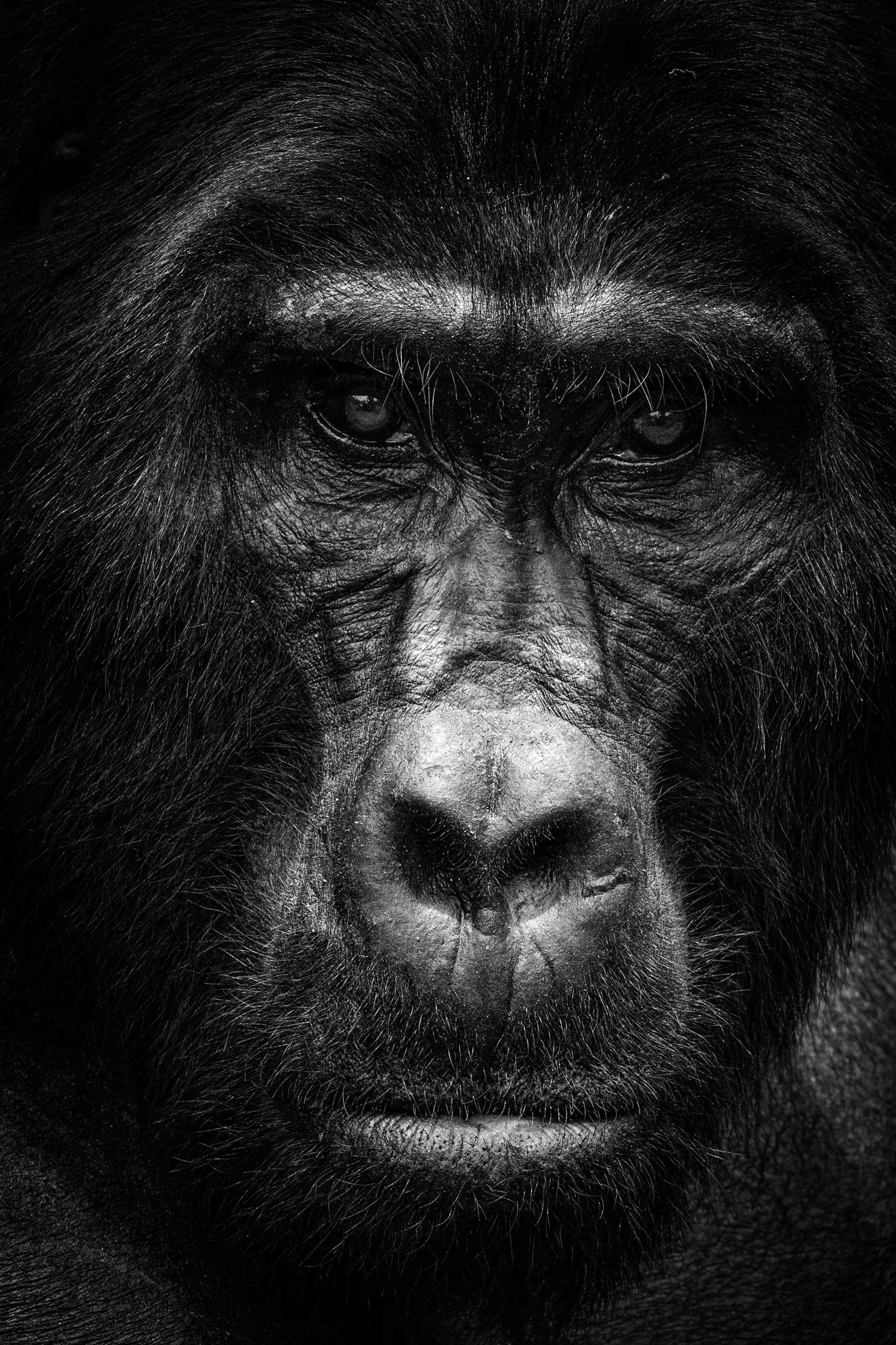
Portrait of a Silverback Bwindi Impenatable Forest 2024 ©Richard Juilliart
The Science of Survival: A Fragile Success.
In the 1980s,the outlook was bleak. Poaching and deforestation threatened to wipe mountain gorillas off the face of the Earth. Today thanks to an unprecedented conservation effort, the total population (including the Virunga massif) exceeds 1,000 individuals.
This success rests on delicate balance that scientists call “Conservation tourism”.
Daily monitoring: Rangers and trackers follow each resident family 365 days a year.
The health barrier: Because they are so close to us, gorillas are vulnerable to our viruses. Wearing a mask and maintaining a safe distance of 10 meters are essential safaguards against a potential epidemic.
The Community Impact.
The miracle of Bwindi also depends in its neighbors: the local communities, including the Batwa. Long excluded from the forest, they are now the park’s primary guardians. A significant portion of the revenue generated by trekking permits is reinvested in local infrastructure - schools, clinics, drinking water systems - transforming the former poacher into a dedicated protector of wildlife.
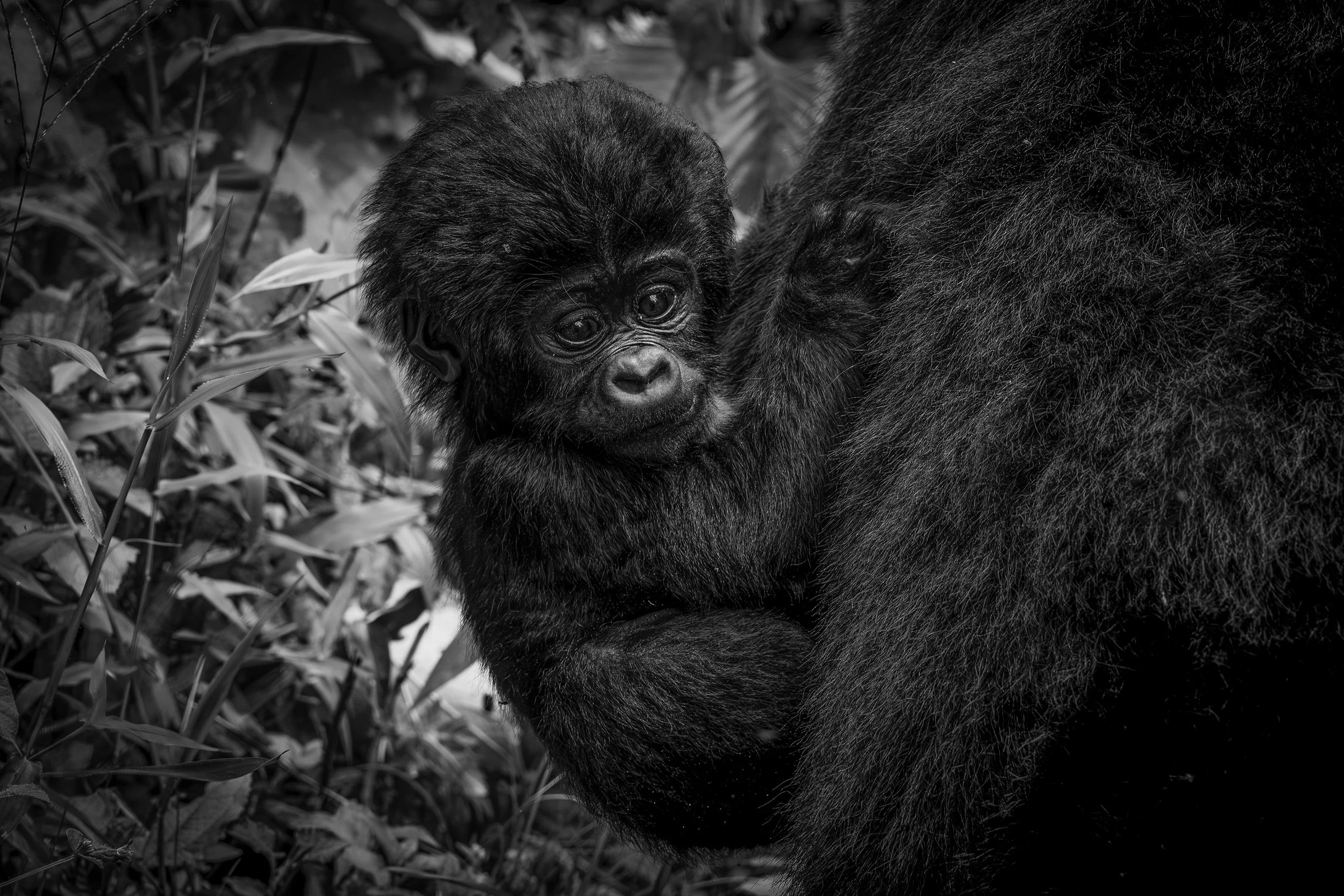
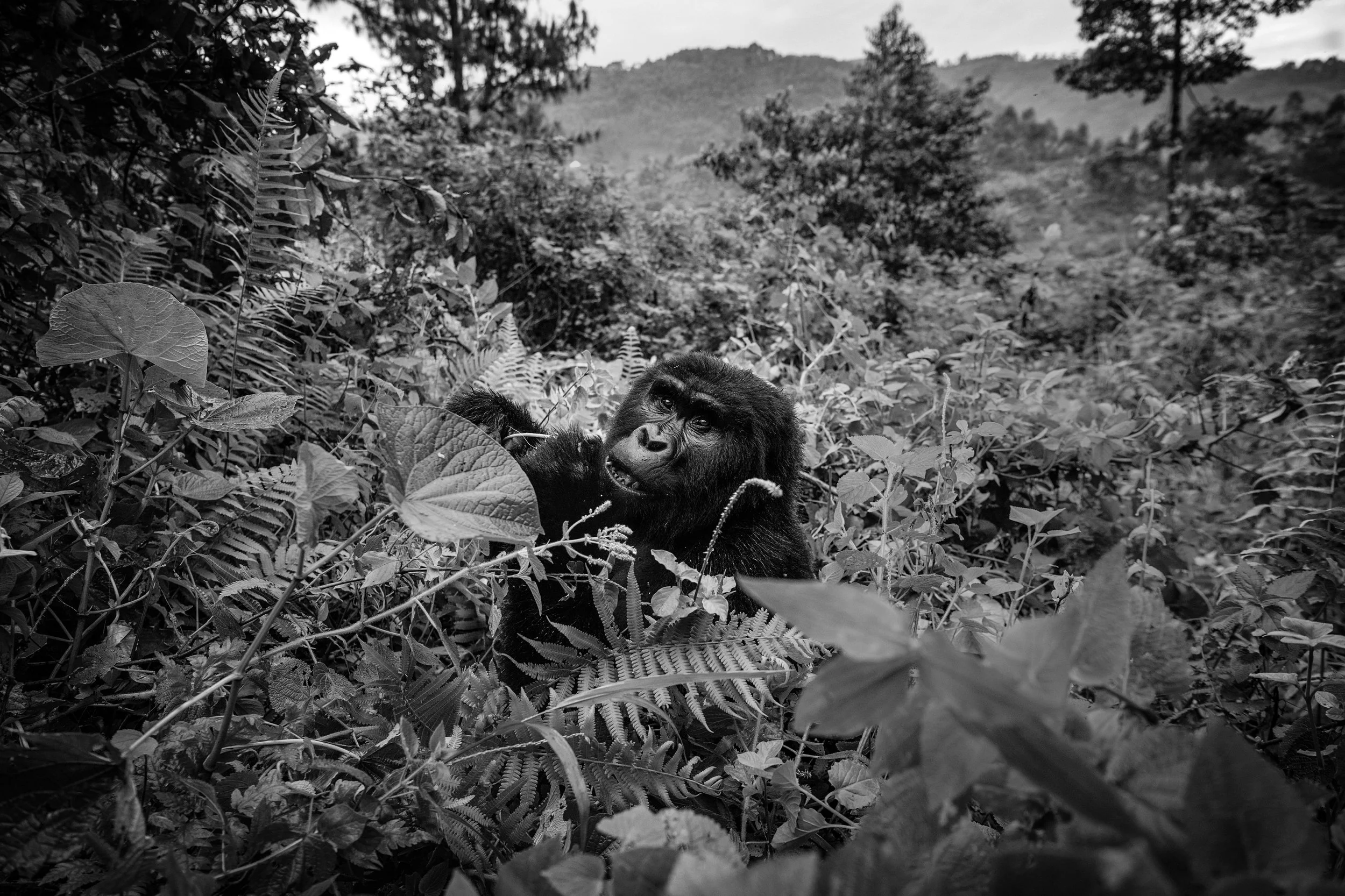
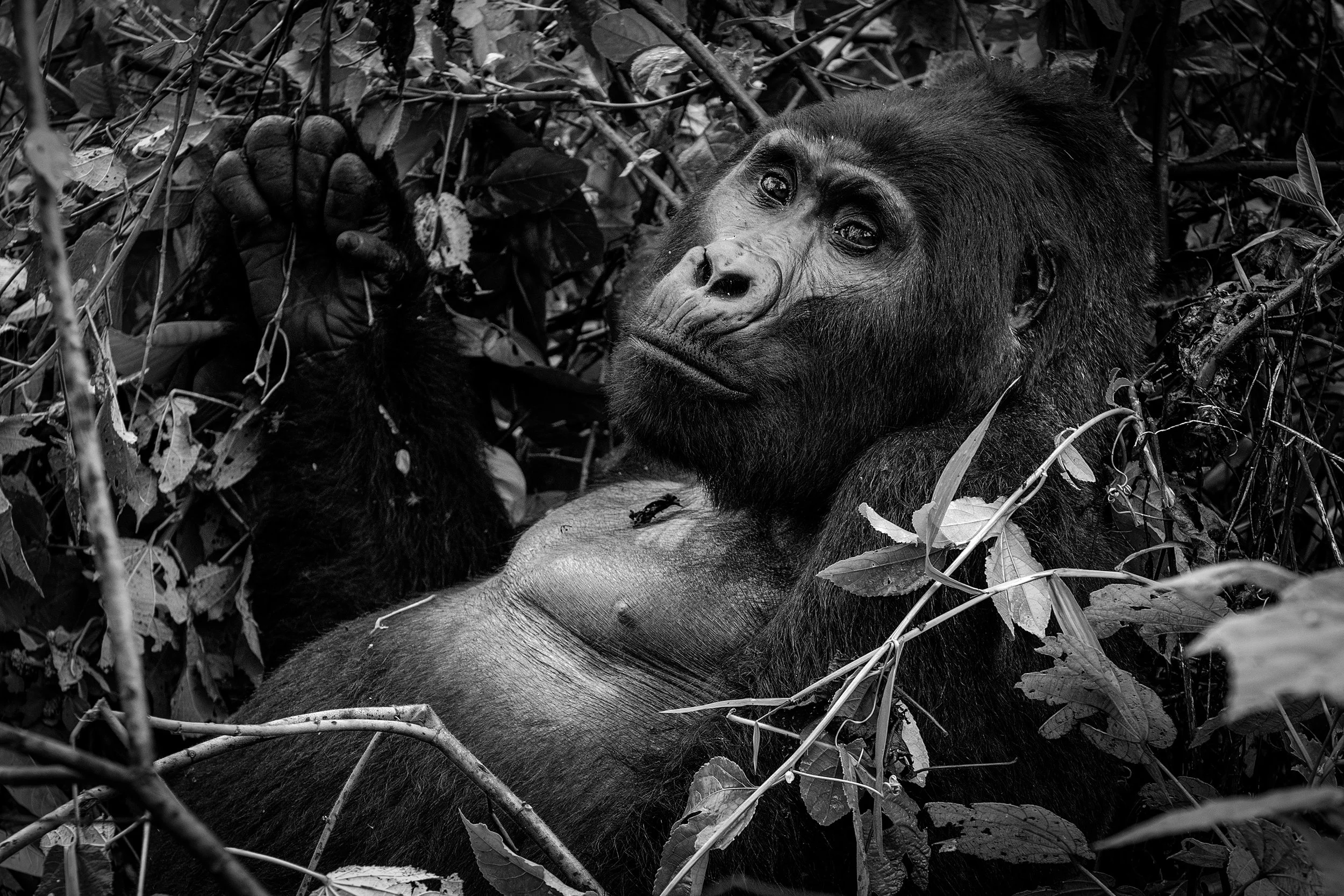
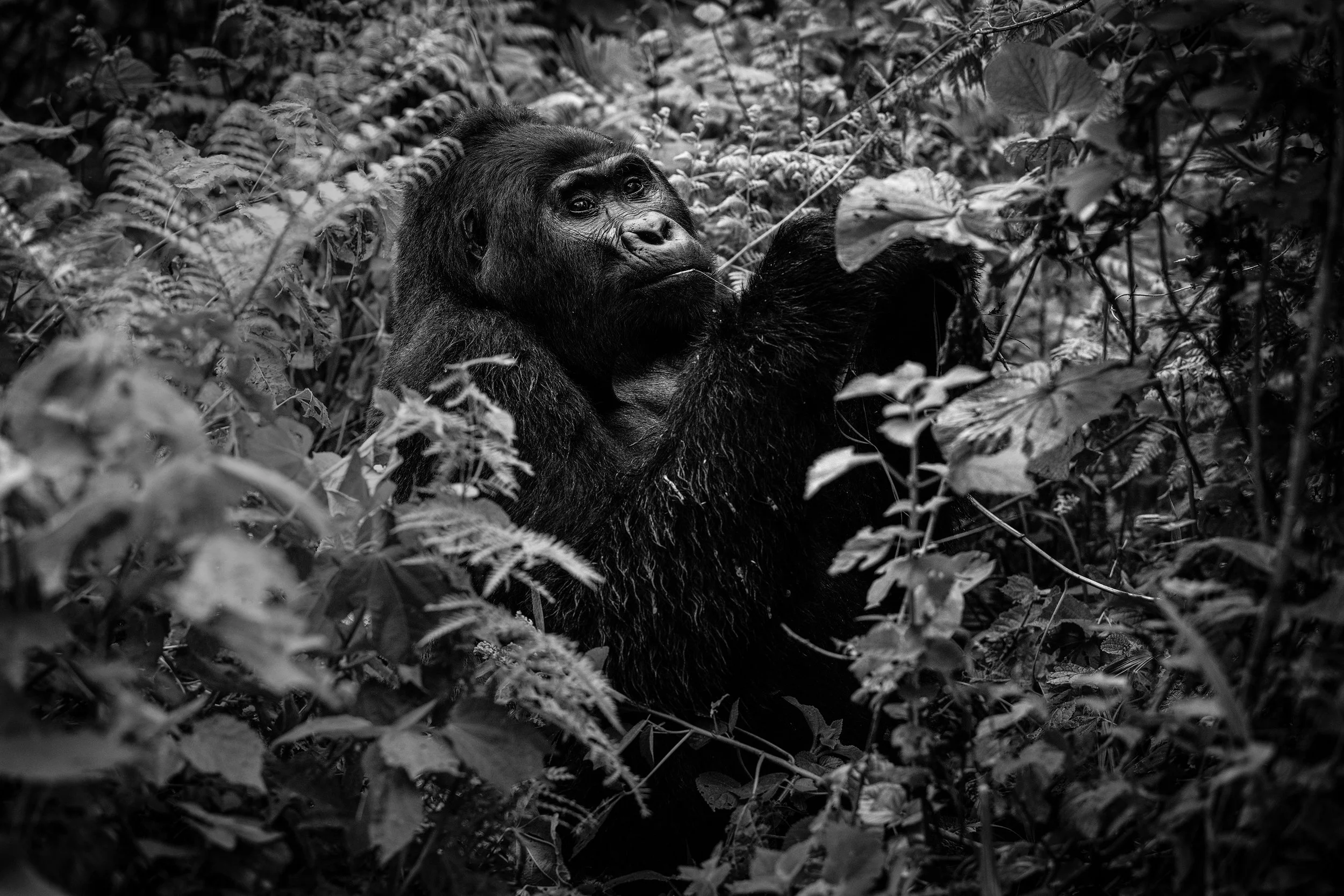
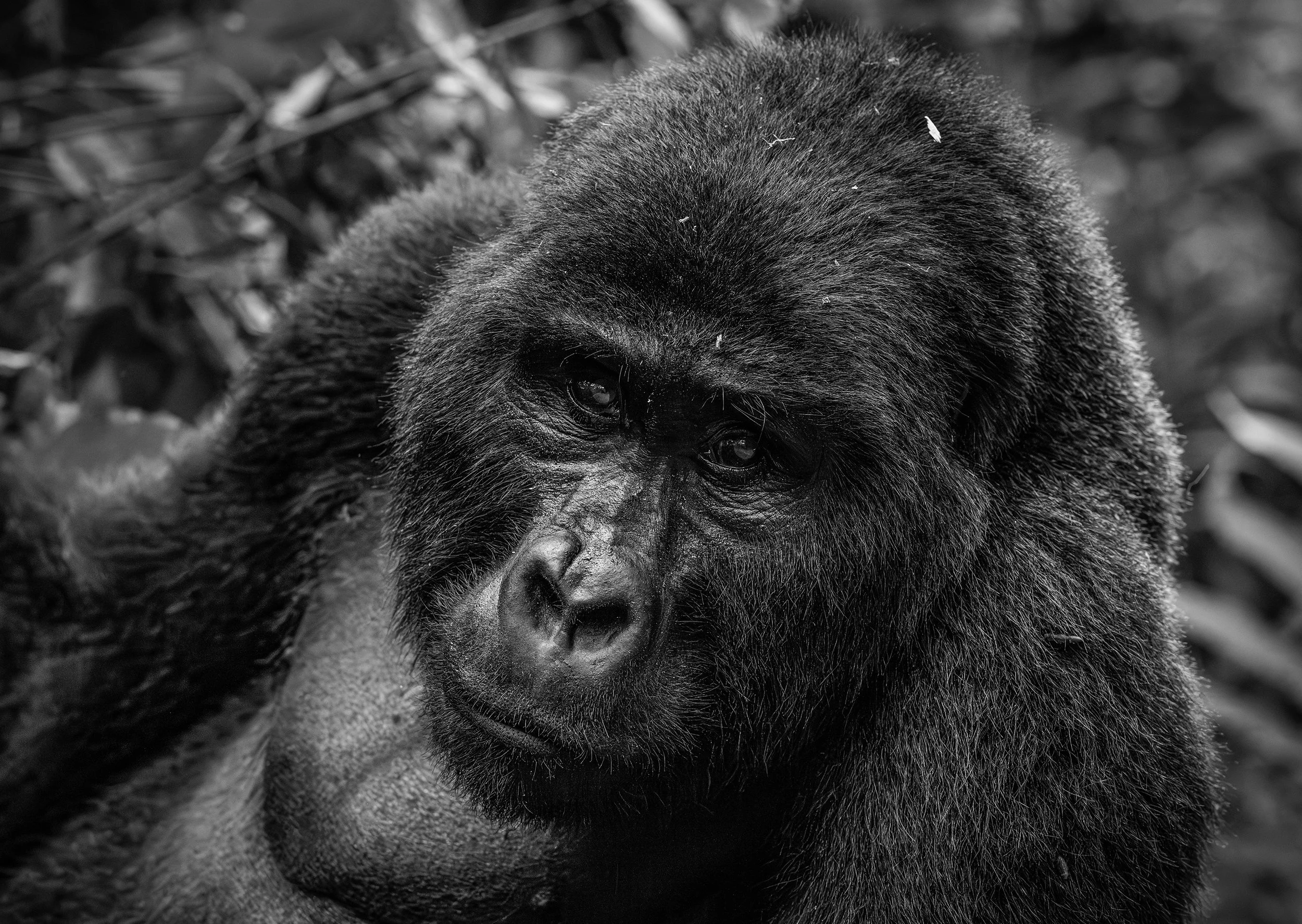
Bwindi Impenetrable Forest 2024 ©Richard Juilliart
Entering Bwindi Forest means acknoledging that you are merely a guest in a kingdom that no longer belongs to you. It’s a journey not measured in kilometers traveled, but in heartbeats per minute when the vegetation suddenly parts to reveal the amber gaze of a giant.
Ready to capture these giants?
Imagine the scene: a thick mist rippling through the giant ferns, a soft light piercing the canopy, and suddenly, in the viewfinder, the amber eyes of a silverback. Capturing the essence of mountain gorillas is much more than a matter of technique; it’s an exercise in patience and raw emotion. I would be happy to let you experience those emotions.