At the heart of the Welgevonden rhino sanctuary.
Beyond the rugged peaks of the Waterberg massif, where the South African earth takes on a deep orchre hue, lies one of the most significant chapters in modern conservation. This is not simply a 37,000 hectares game reserve; it is the nerve center of a species’ survival. Welgevonden, a raw gem within the UNESCO Biosphere Reserve, where cutting-edge technology meets primal instinct.
A Natural Fortress under UNECO’s Protection.
The landscape of Welgevonden is a tapestry of contrasts: grassy savannah plateaus give way to deep ravines and crystal clear rivers. This rugged terrain, while strikingly beautiful, forms the reserve’s first line of defense. As the Waterberg Biosphere Reserve, recognized by UNESCO, forms the core area, Welgevonden is not a solitary entity but rather a crucial component of a larger ecosystem that aims to balance human activity and biodiversity.
The “Rhino Rescue Programme”: A Modern Day Noah’s Ark.
In an era where the costs of protection rhinos have become prohibitive for many private landowners, Welgevonden has pioneered the Rhino Rescue Programme. This innovative initiative allows external rhino owners to relocate their animals to the safety of Welgevonden.
Under this “mutualism” model, the reserve benefits from the rhino’s role as “ecosystem engineers” their grazing habits maintain the short grass “laws” essential for other herbivores, while the rhinos receive world class security. Today, approximately 44% of the reserve rhino population consist of “rescue” rhino and their offspring, solidifying the reserve as one of the largest private strongholds for the species in Africa. This also makes this palace an important gene bank for the future of the specie.
Artificial intelligence at the Service of Instinct.
Welgevonden is not just a sanctuary, it is also a laboratory for the conservation technology. In a ground-breaking collaboration with IBM and NTM, the reserve has implemented an AI-driven Wildlife Protection Programme.
Animal sentinels: Rather than microchipping only rhinos, scientists have equipped prey species, zebras, impalas and wildebeests with connected collars.
The fear algorithm: By analysing the movements of these herds, the AI detects behavioral anomalies. If a herd of zebras suddenly flees in a disorganized manner, the system indentifies a potential human intrusion.
The preemptive Response: Even before a poacher has a rhinoceros in their sights, the rapid response units “rangers” are alerted by a notification on their terminals.
It is a shadow war where success is not measured by the number of arrests, but by the number of shots that were never fired.
“At Welgevonden, we are not just protecting animals, we are protecting a legacy. Every rhinoceros born here is a victory of science over greed.”
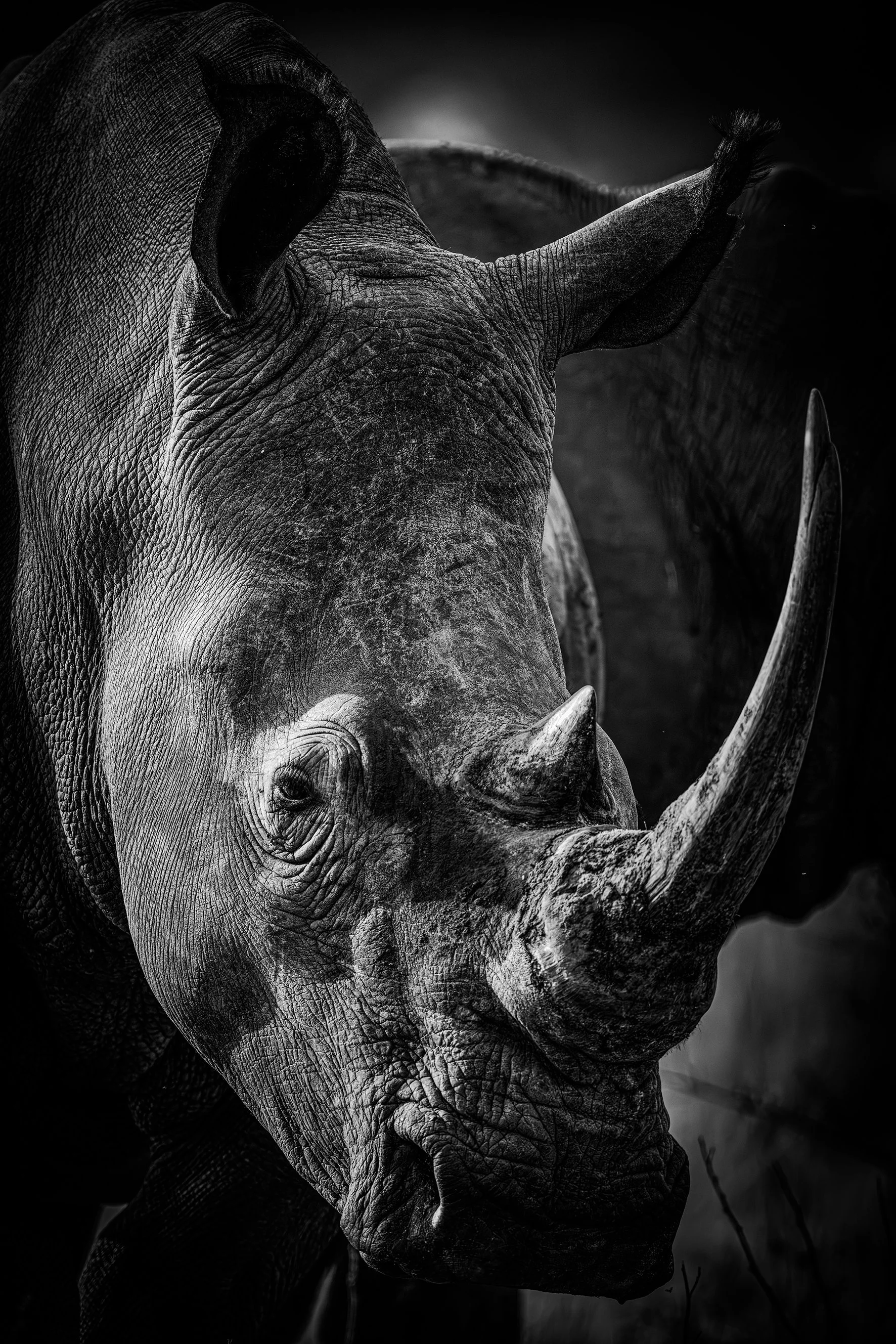
Welgevonden 2025 ©Richard Juilliart
The experience of wonder.
For the visitor, the experience is execeptionally intense. The limited number of vehicles and absence of internal fences allow for total immersion. Observing a white rhino grazing peacfully in the morning mist of the Waterberg makes one understand the urgency of the conservation. It is a silent reminder that despite technology, the survival of these prehistoric inhabitants depends on our collective will.
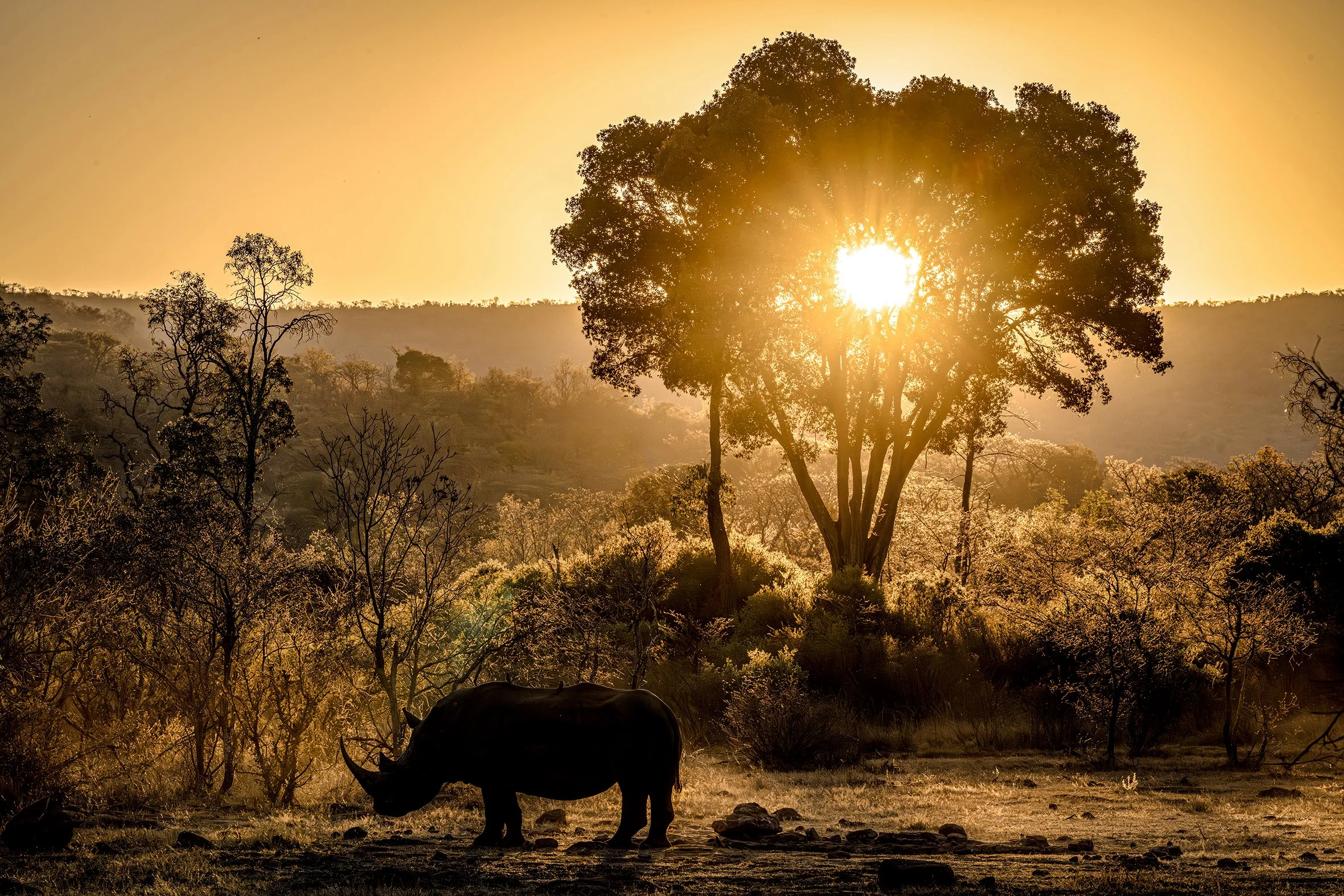
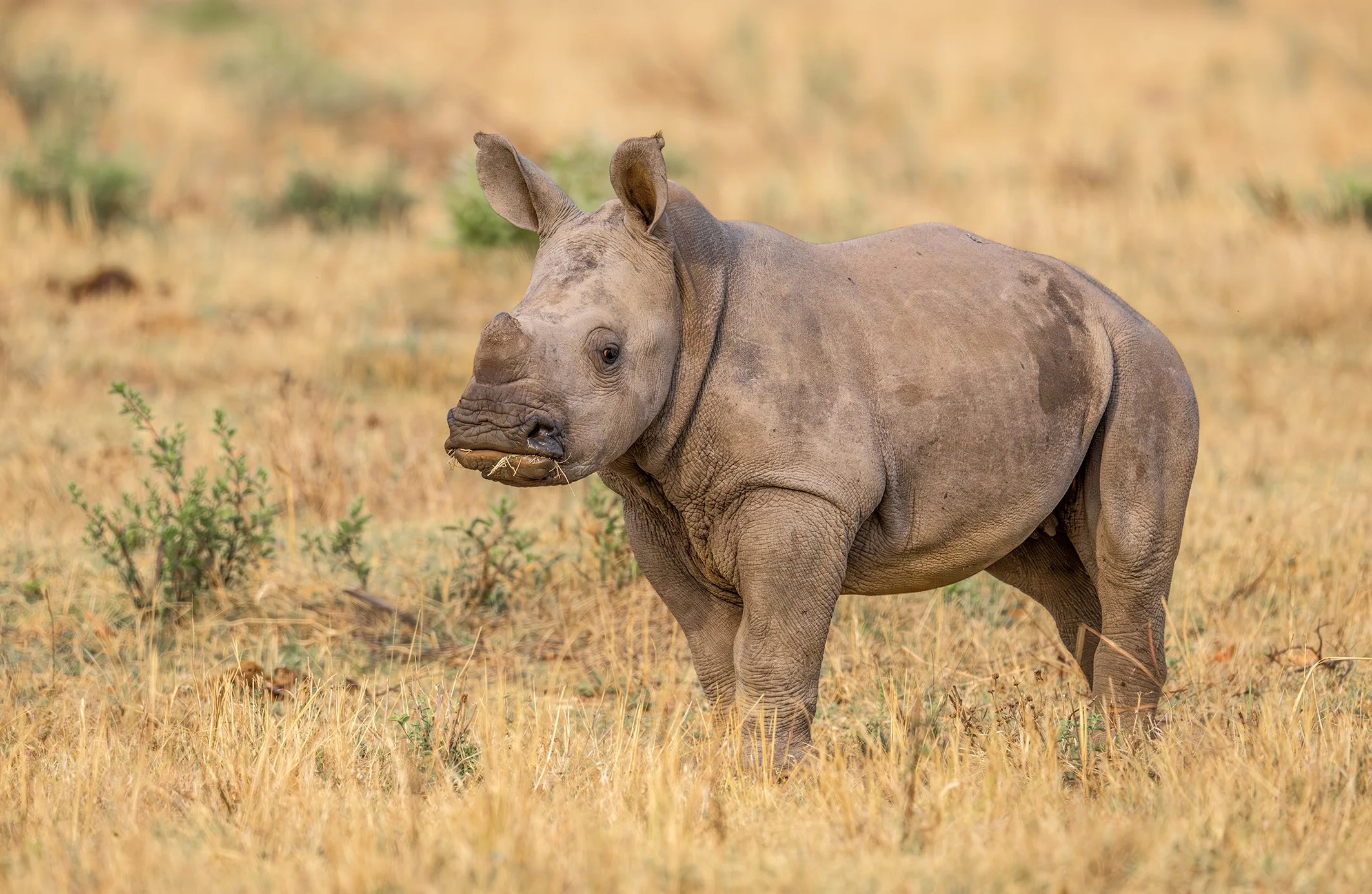
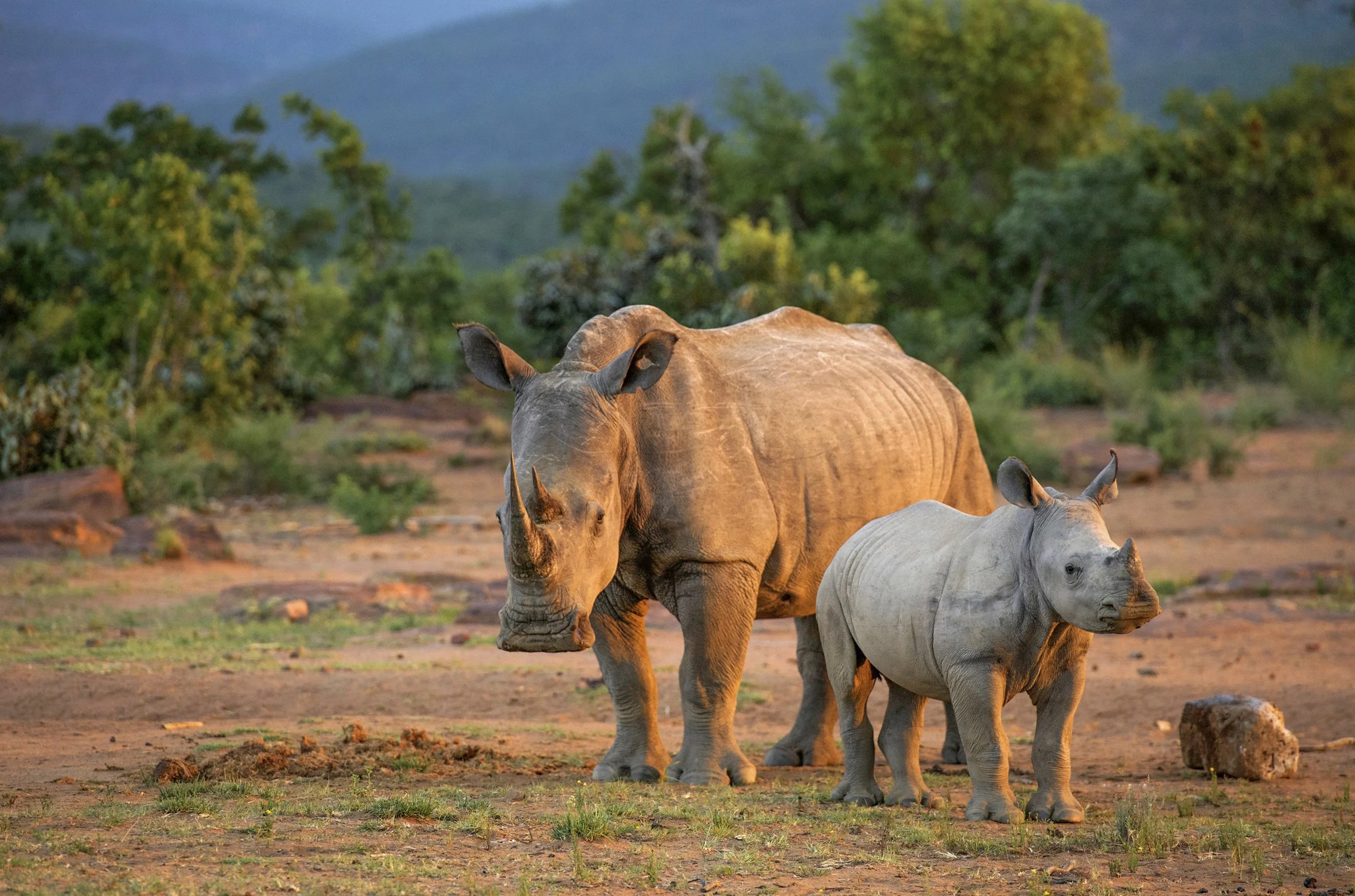
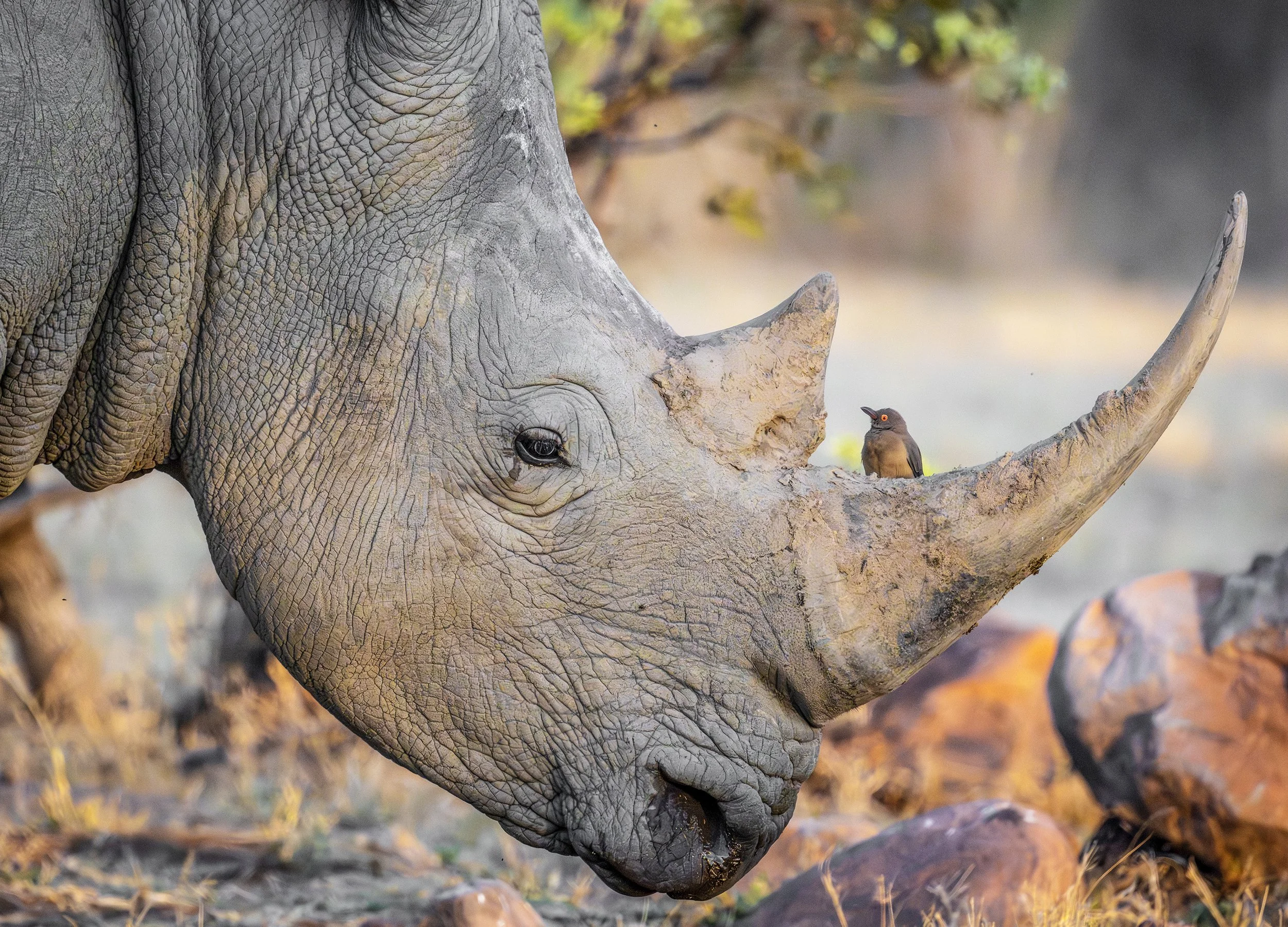
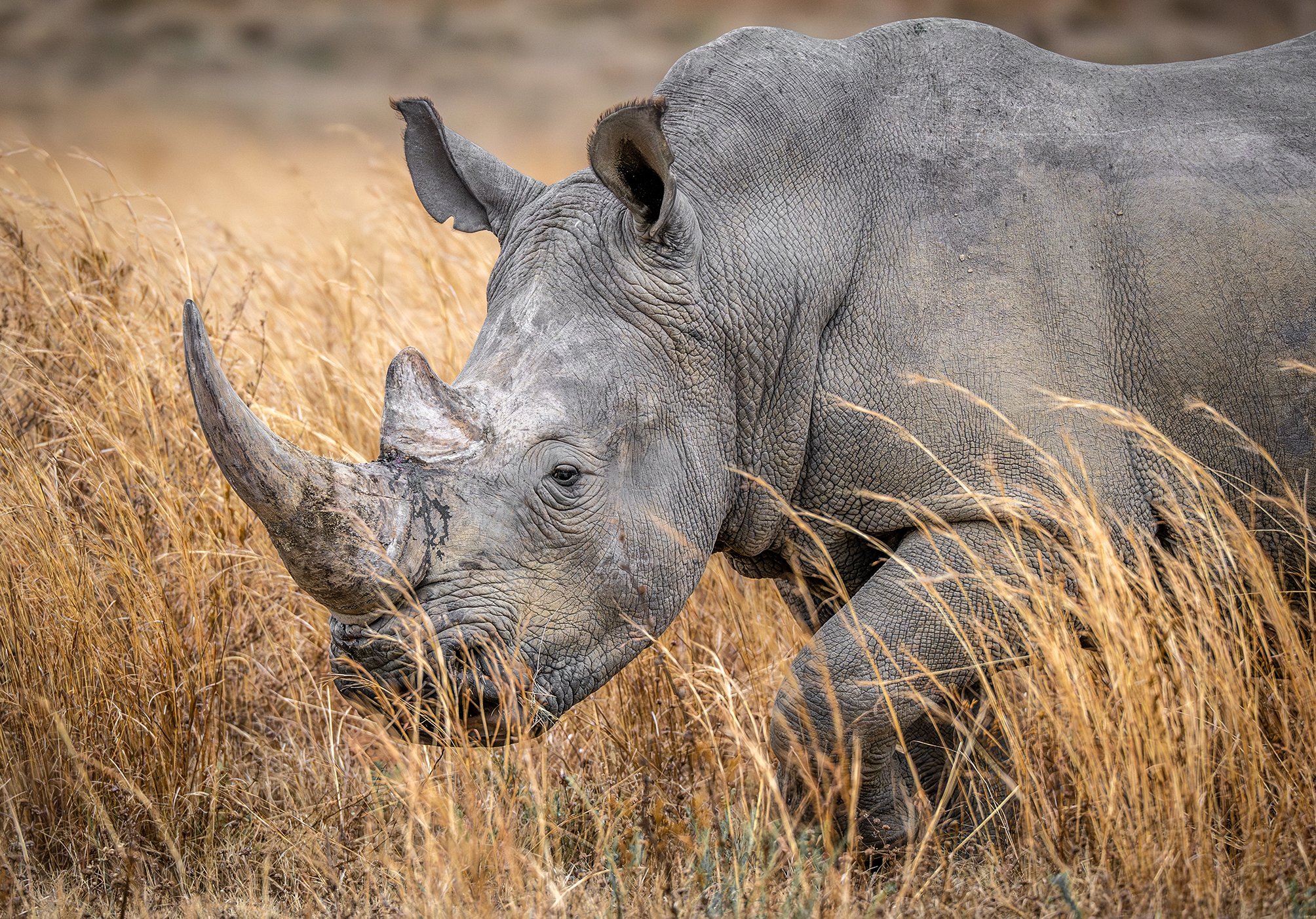
Welgovenden 2025 ©Richard Juilliart
If you would like to join me for a photographic immersion in the heart of the Welgevonden reserve to encounter the last giants of the savannah and many other species, please do not hesitate to contact me .