The Art of Black and White in the African Savannah.
In the vastness of Africa, where the midday sun flattens colors and saturates contrasts, black and white photography is defined not by what it removes, but by what it reveals. It is a return to essence, a quest for structure where color is sometimes merely a distraction. For the wildlife photographer, stripping a leopard of its golden spots or an elephant of its ochre dust is to touch the soul of the subject.
It is an exercise in stripping away the superfluous that transforms a simple naturalist observation into a timeless narrative.
The Geometry of Life: Form and Texture.
Without the artifice of color, the images rests on three pillars: form, line and texture.
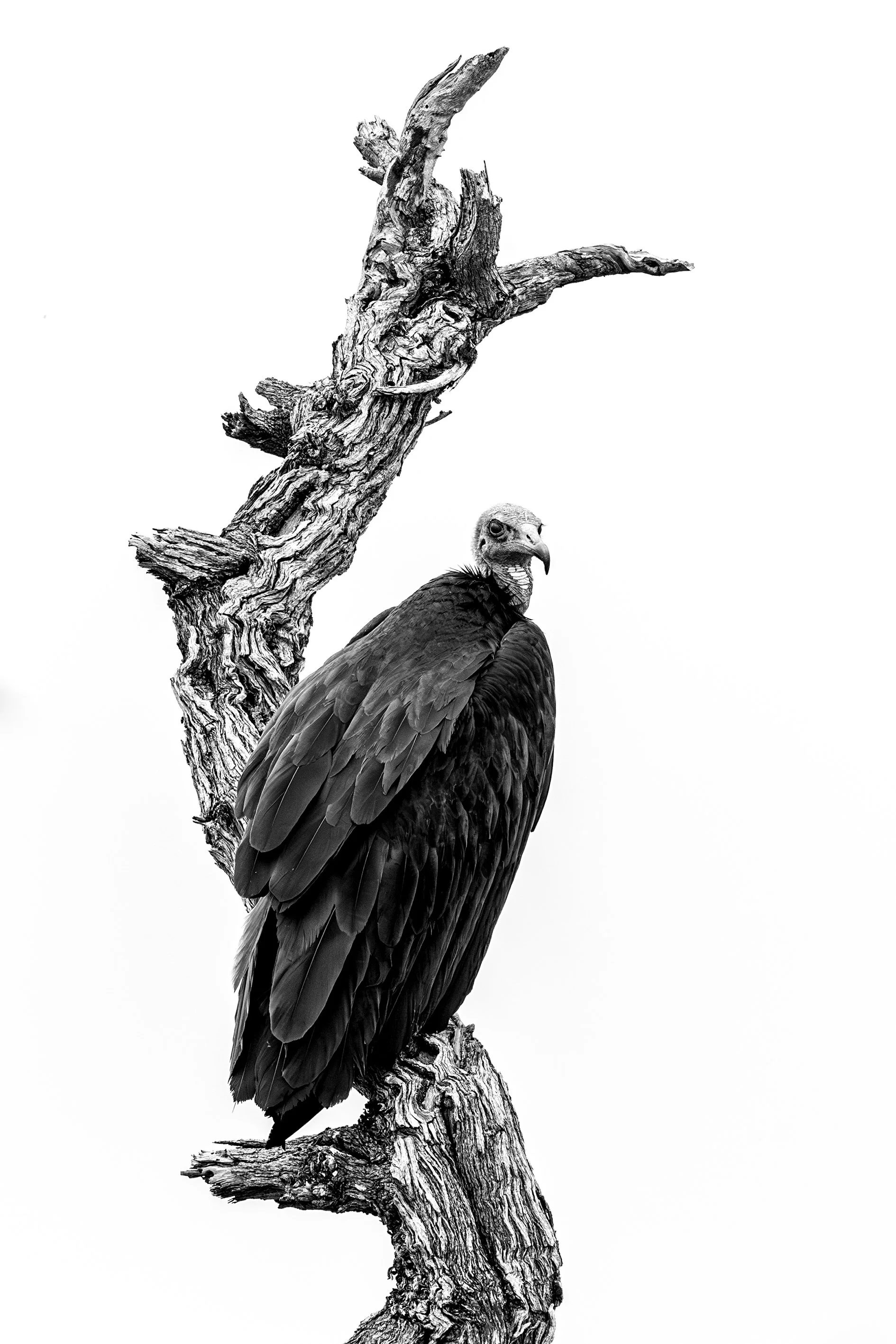
Africa is a continent of raw textures. Black and white enhances the leathery hide of an old Cape buffalo, rendering each wrinkle and scar as detailed as a topographical map. From this perspective, the horns of an oryx antelope are no longer keratin, but pure graphic lines that cut across a leaden sky.
Tip from the field: Look for the interplay between light and matter. The low, raking light of late afternoon will accentuate the texture of the fur or bark a old baobab tree, creating a tactile almost sculptural image.
The Drama of light, African Chiarouscuro: Black and white is the ally of challenging lighting. Where color photography falters under the harsh midday sun or in the deep darkness of a forest monochrome excels.
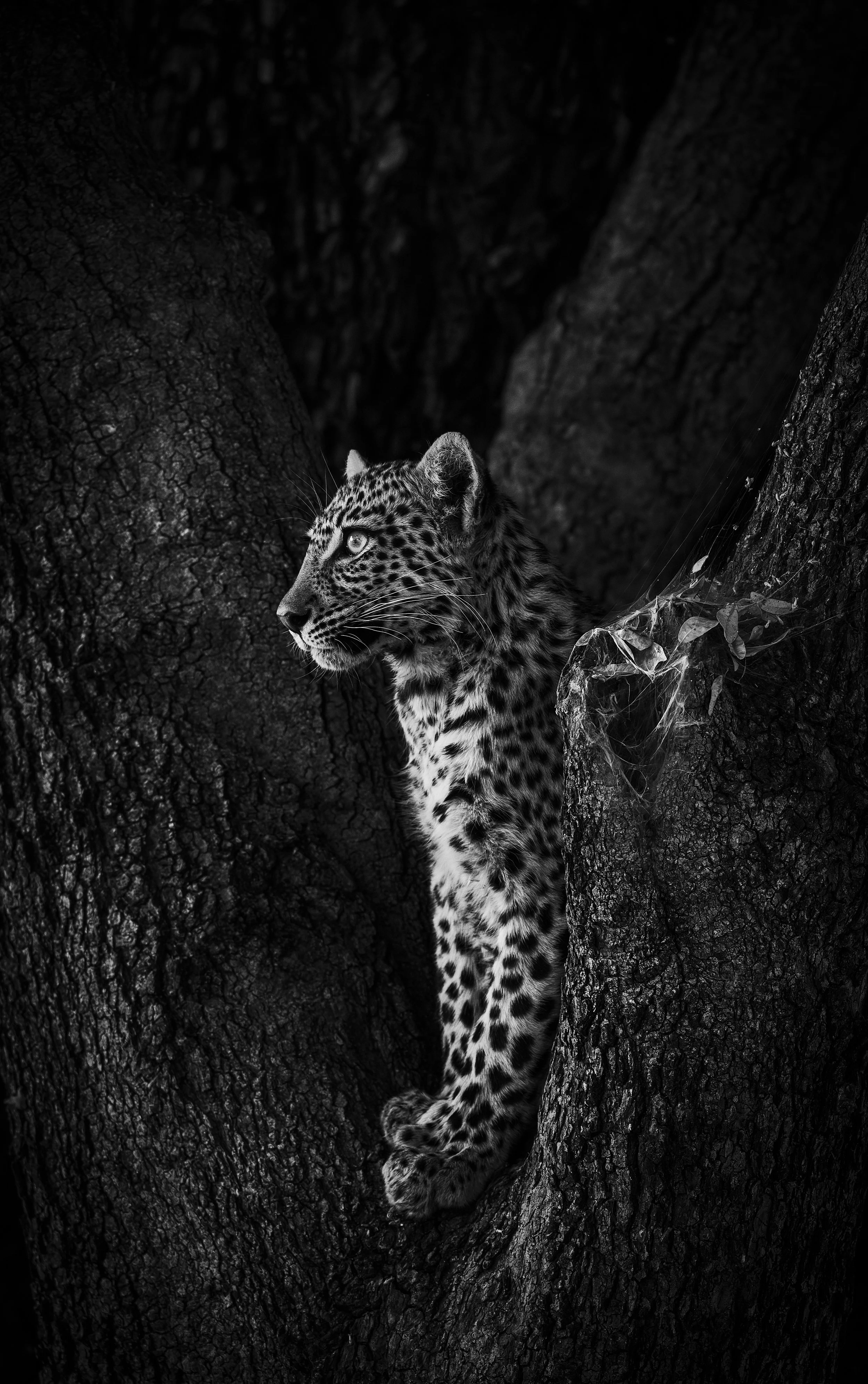
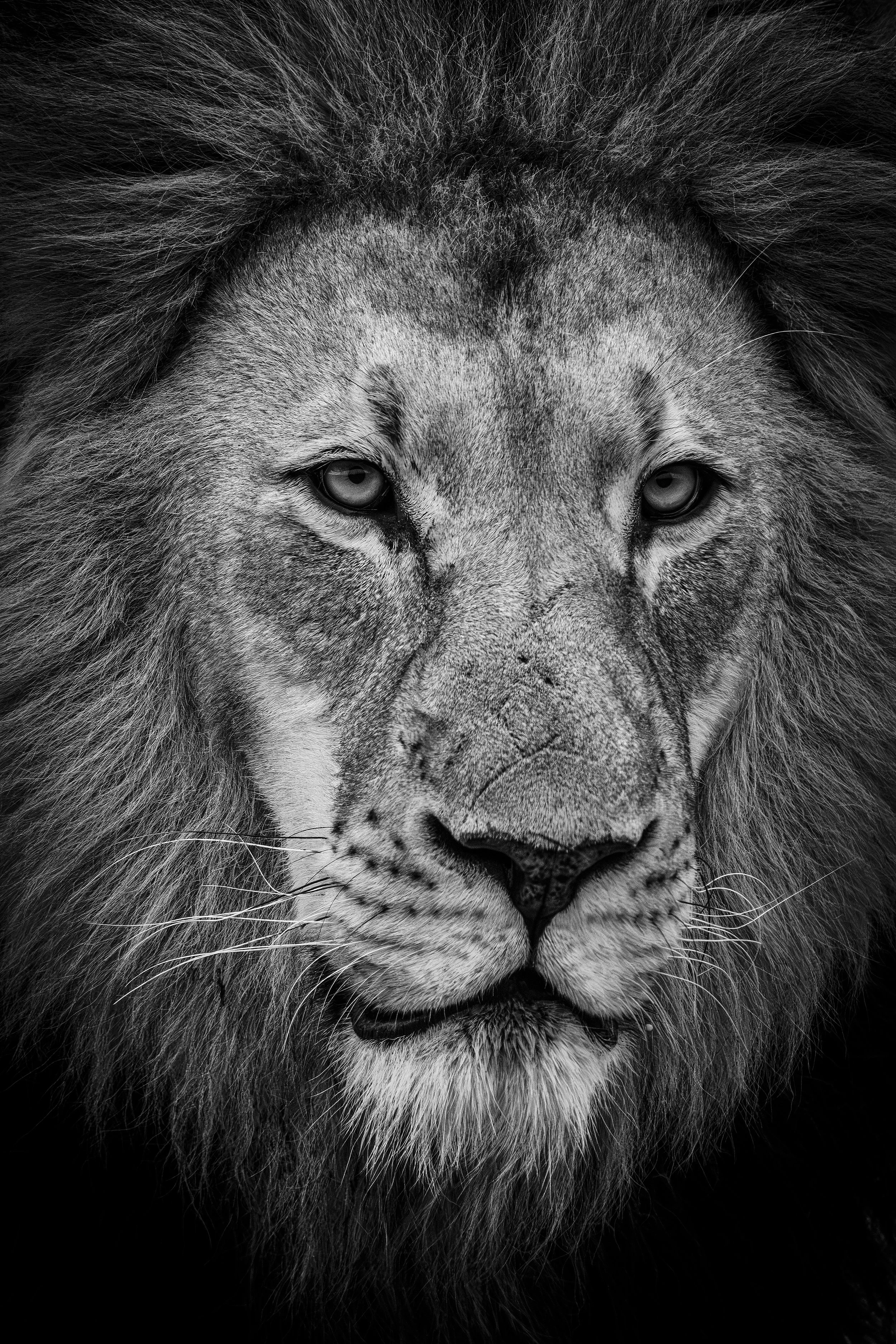
The Low Key technique: By exposing for the highlights, the background can be plunged into absolute black. The profile of a lion emerging from the shadows becomes a spectral apparition, a study in power and mystery.
The High Key technique: Conversely, to use the morning mist of the Okavango Delta makes it possible to create ethereal images, where the silhouettes of giraffes seem float in an infinite white, evoking a drawing in Chinese ink.
Emotion Beyond Sight.
By removing color, we eliminate the barrier of time. A black and white photography taken today in the Serengeti could easily be a century old. This timelessness strengthens the emotional connection with the animal.
The absence of distracting colors immediately draws the eye to the focal point, the amber glint of an eye, the tension of a muscle before a fight or the delicate contact between a elephant mother and her calf. The viewer is no longer simply an observer of wildlife he become a witness to a primal scene.
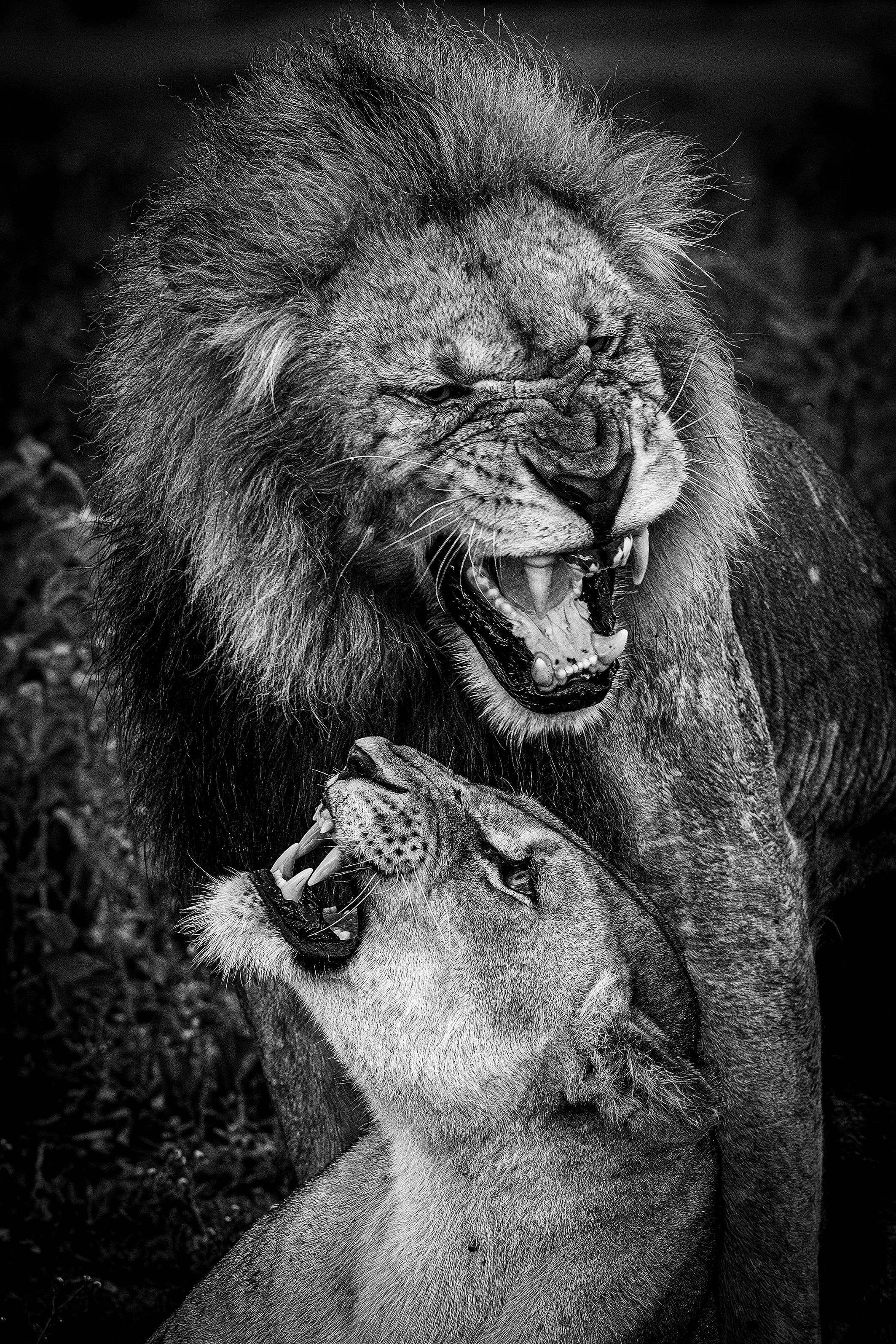
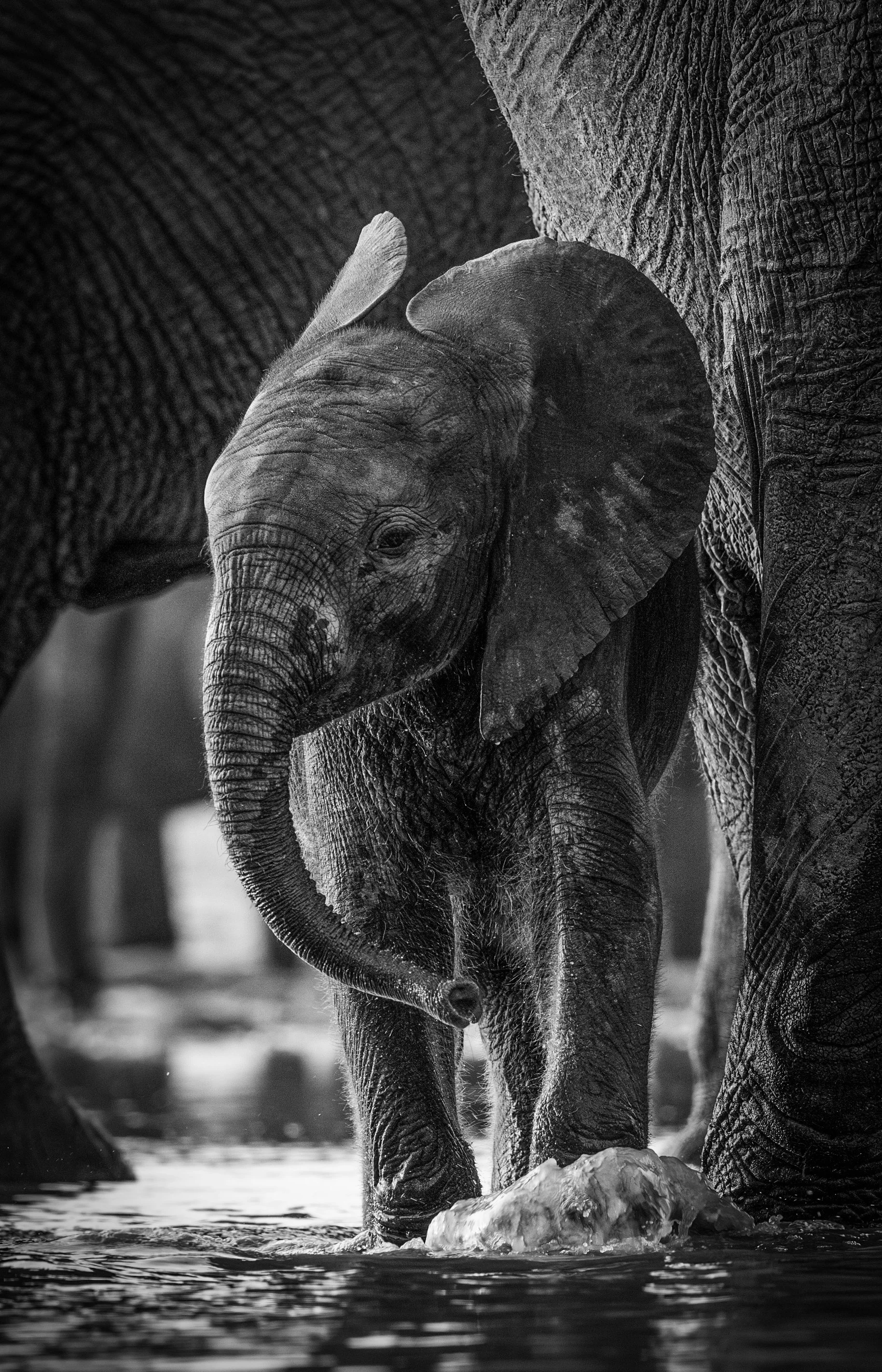
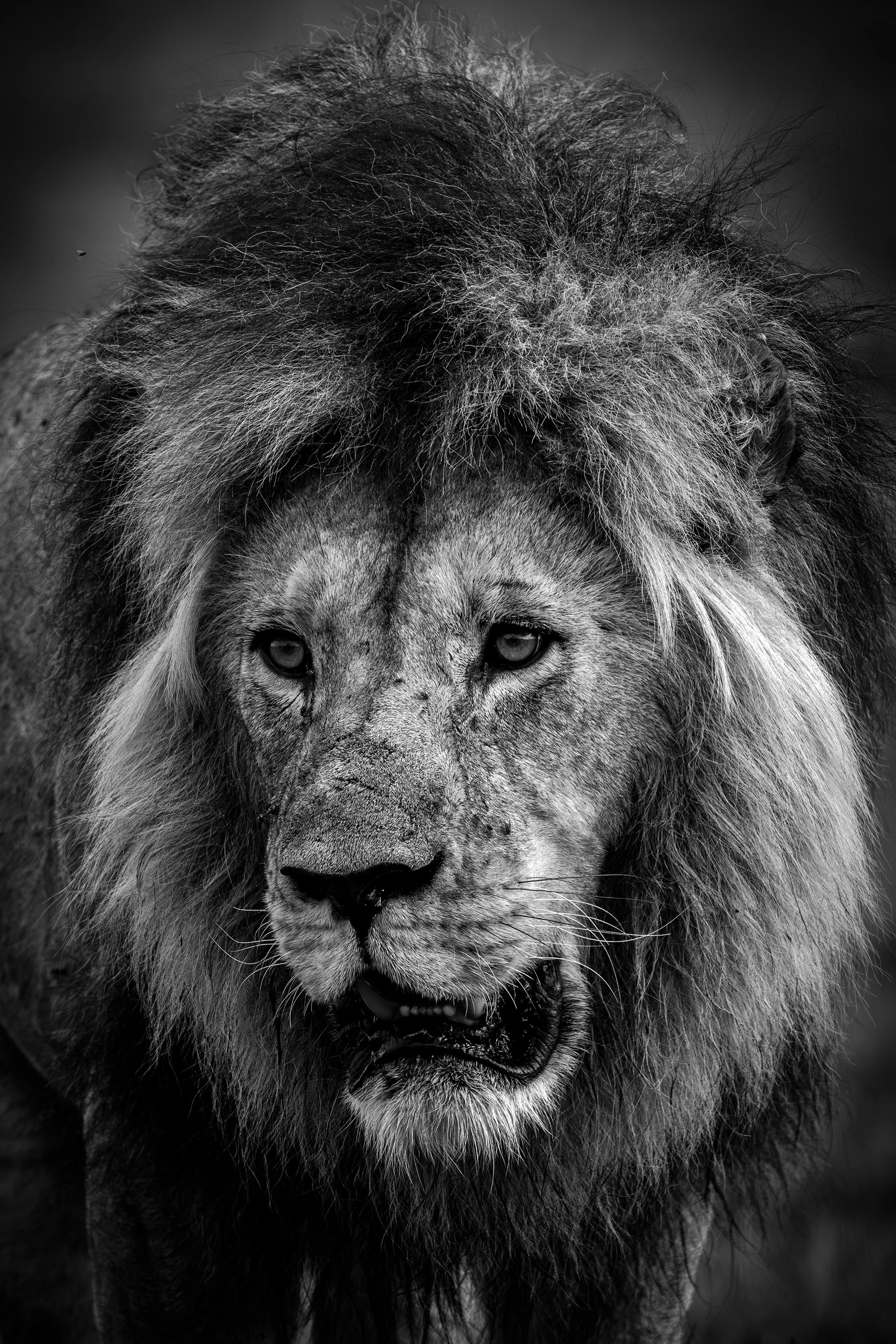
Okavango Delta 2023 ©Richard Juilliart
The Monochrome Photographer’s Toolkit.
Switching to black and white requires a particular mental exercise. It is not about converting a “bad” photo in post-production but about seeing in shades of gray from the capture.
Think in Zones: Apply Ansel Adam’s Zone System to wildlife. A zebra is the perfect subject for mastering dynamic range from the deepest black to the purest white.
Filters: In digital photography, the use of virtual color filters during post-processing is crucial. A red filter will darken a blue sky to make it stormy and dramatic, while a yellow filter will make the fur of felines stand out against the dry grass.
Grain: Unlike digital noise, grain added sparingly can create an organic texture, reminiscent of the great silver gelatin prints of explorers from the last century.
“Black and white is the language of the invisible. It captures not what the animal is, but what it emanates.”
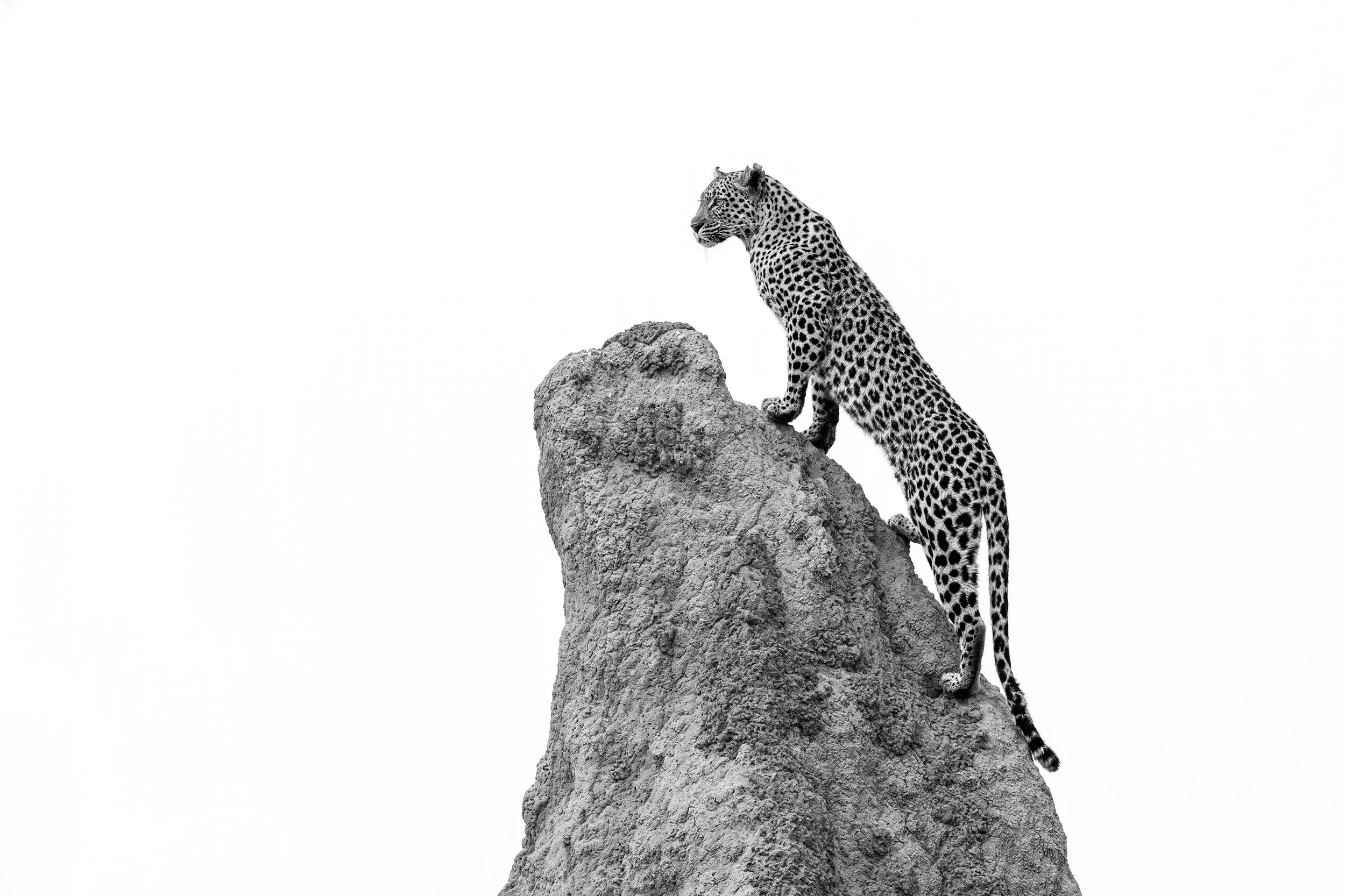
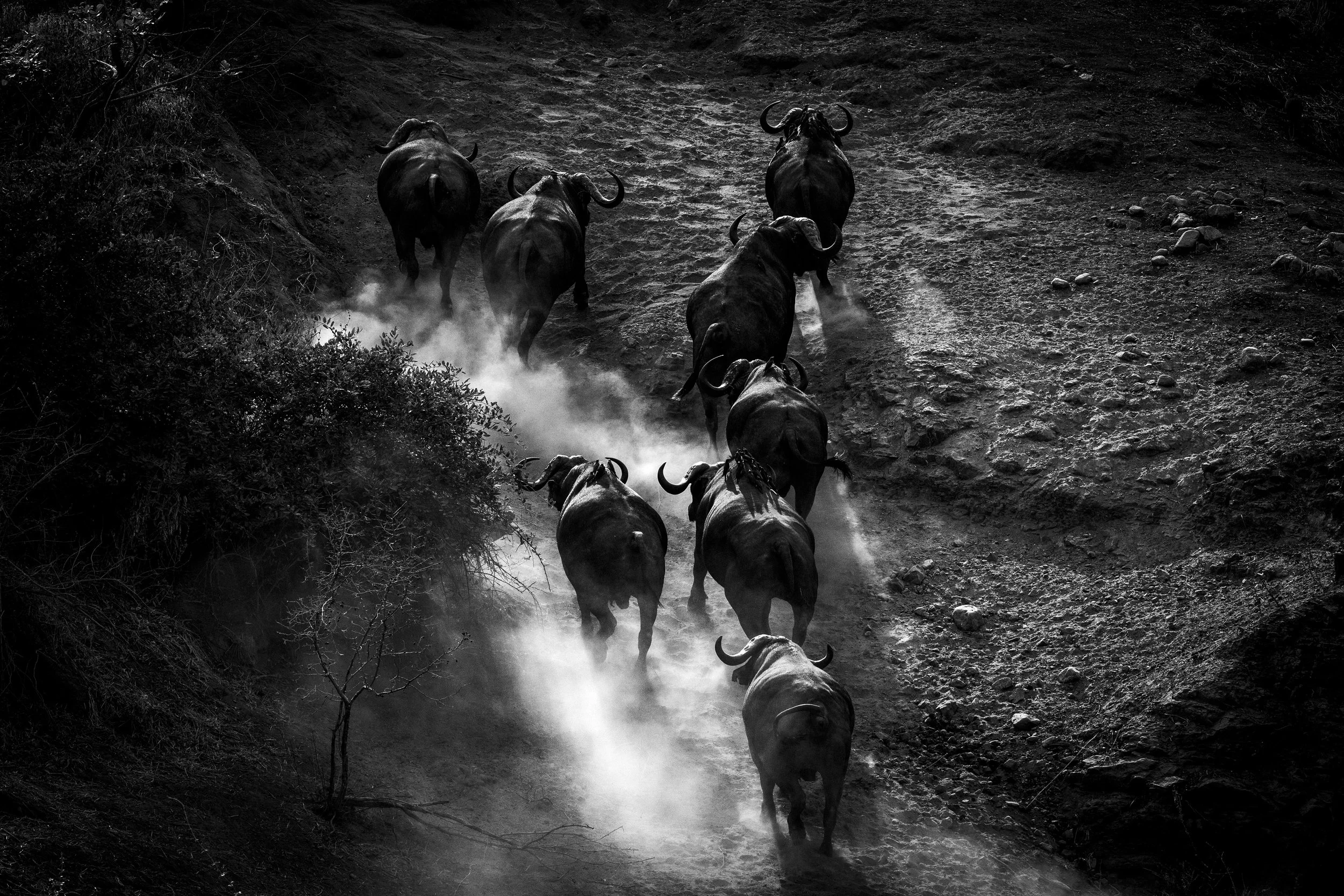
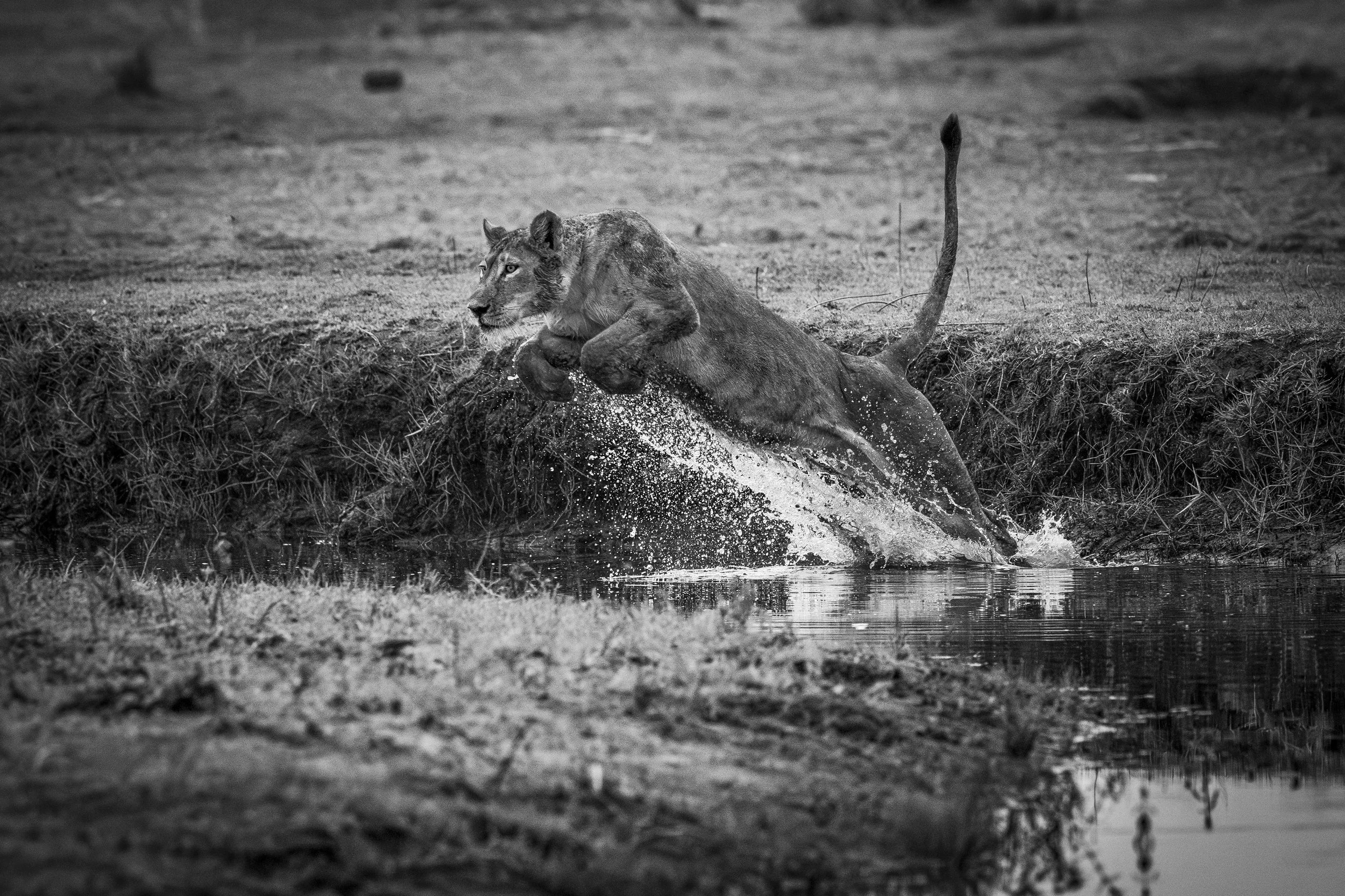
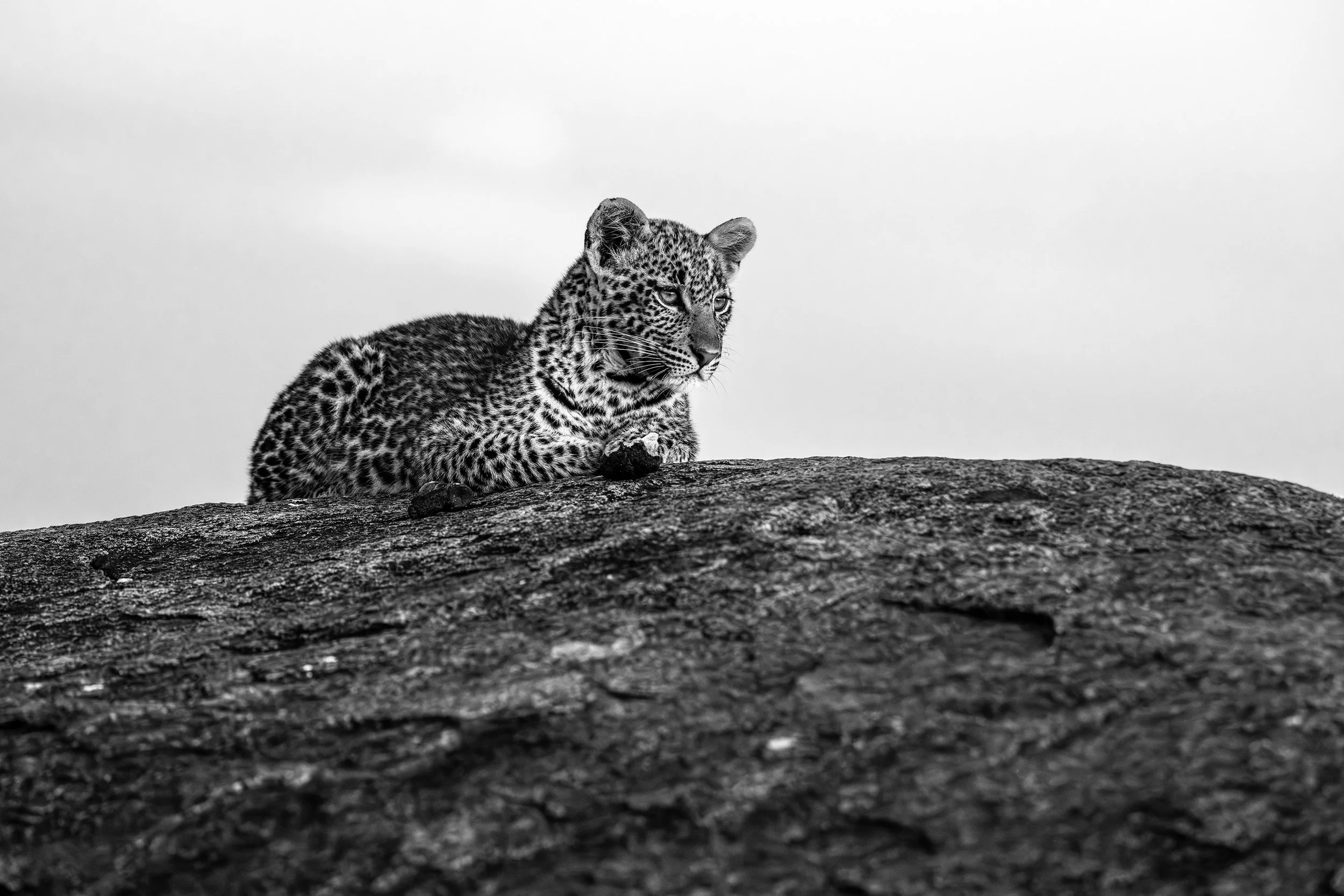
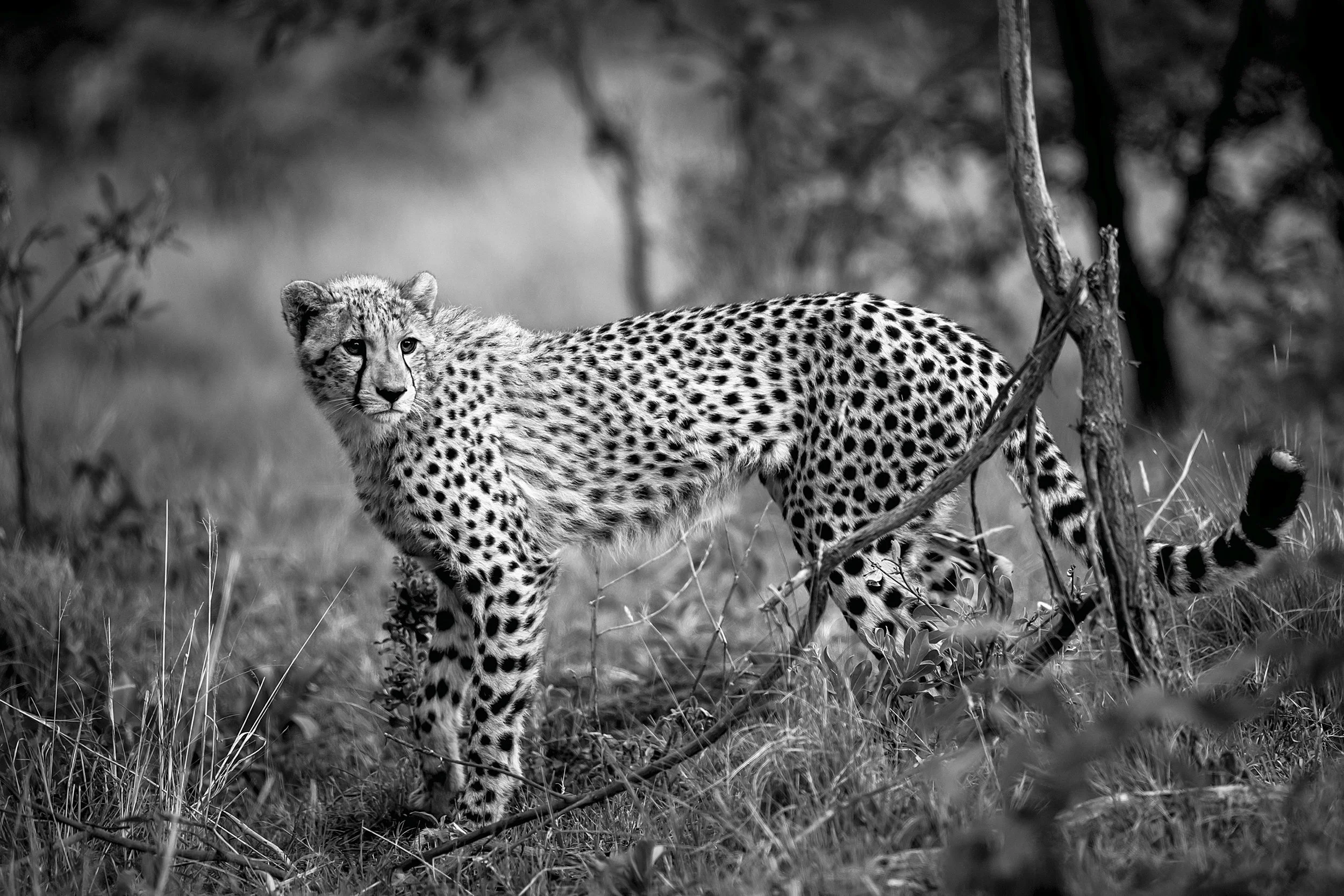
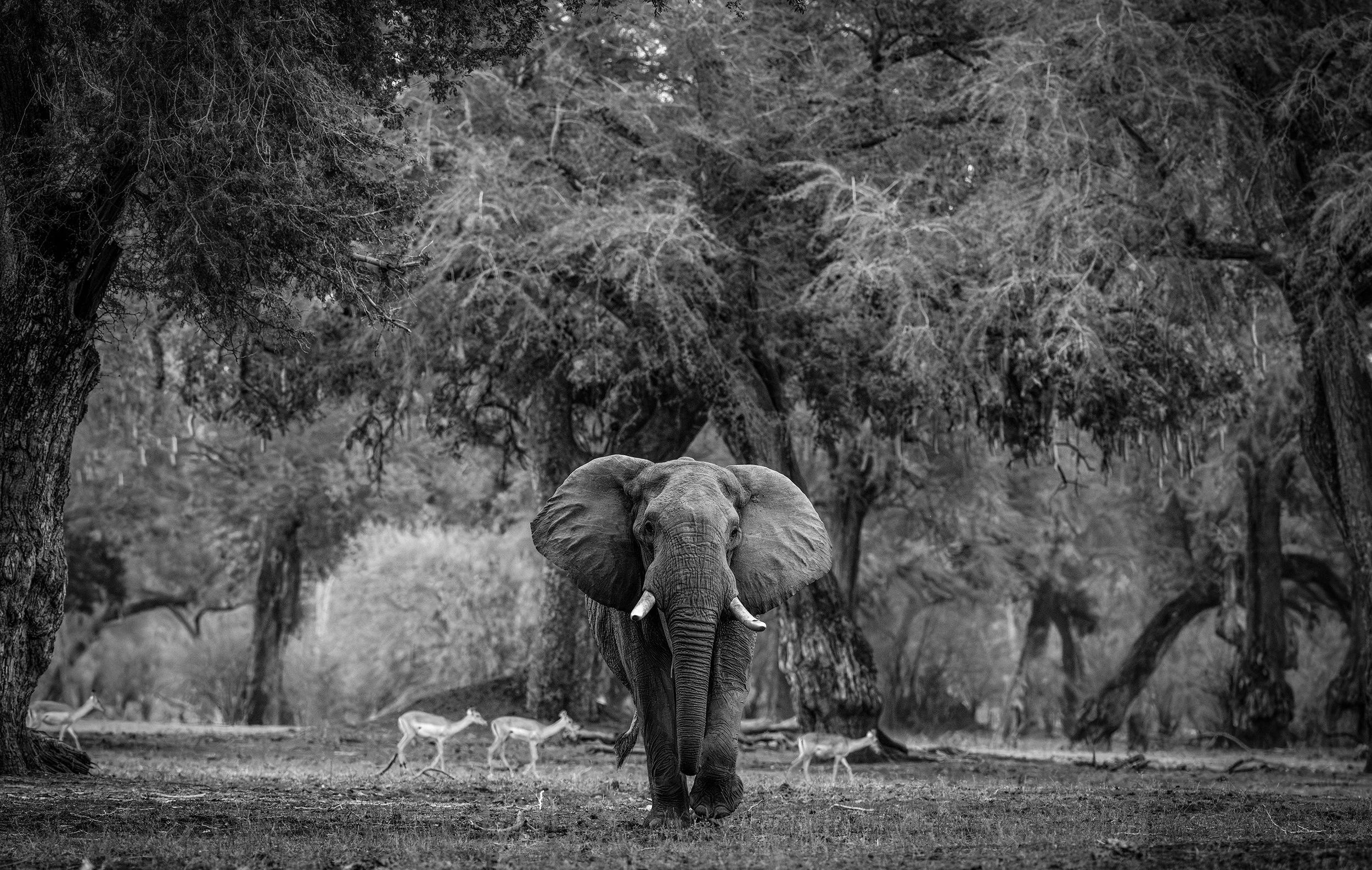
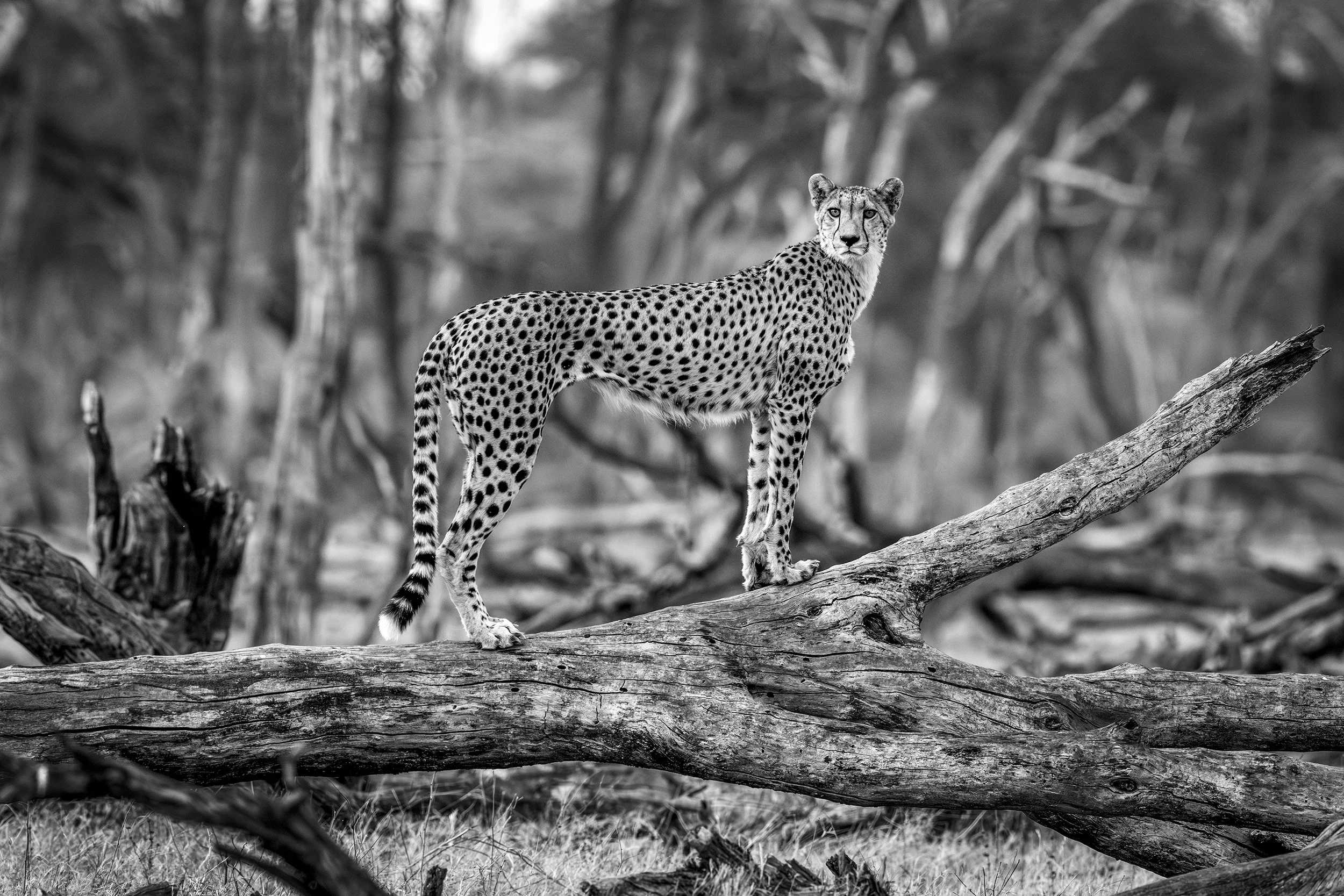
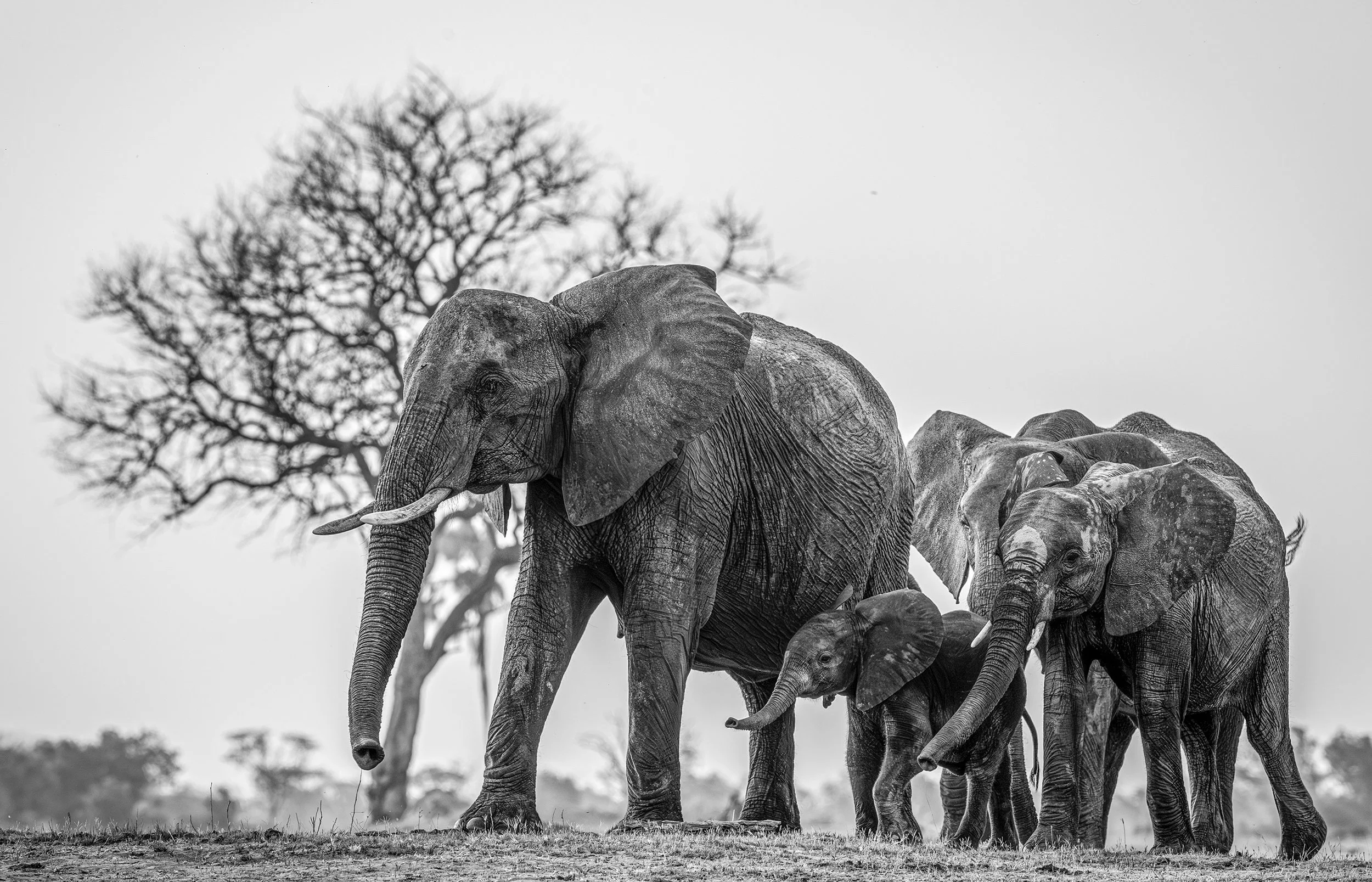
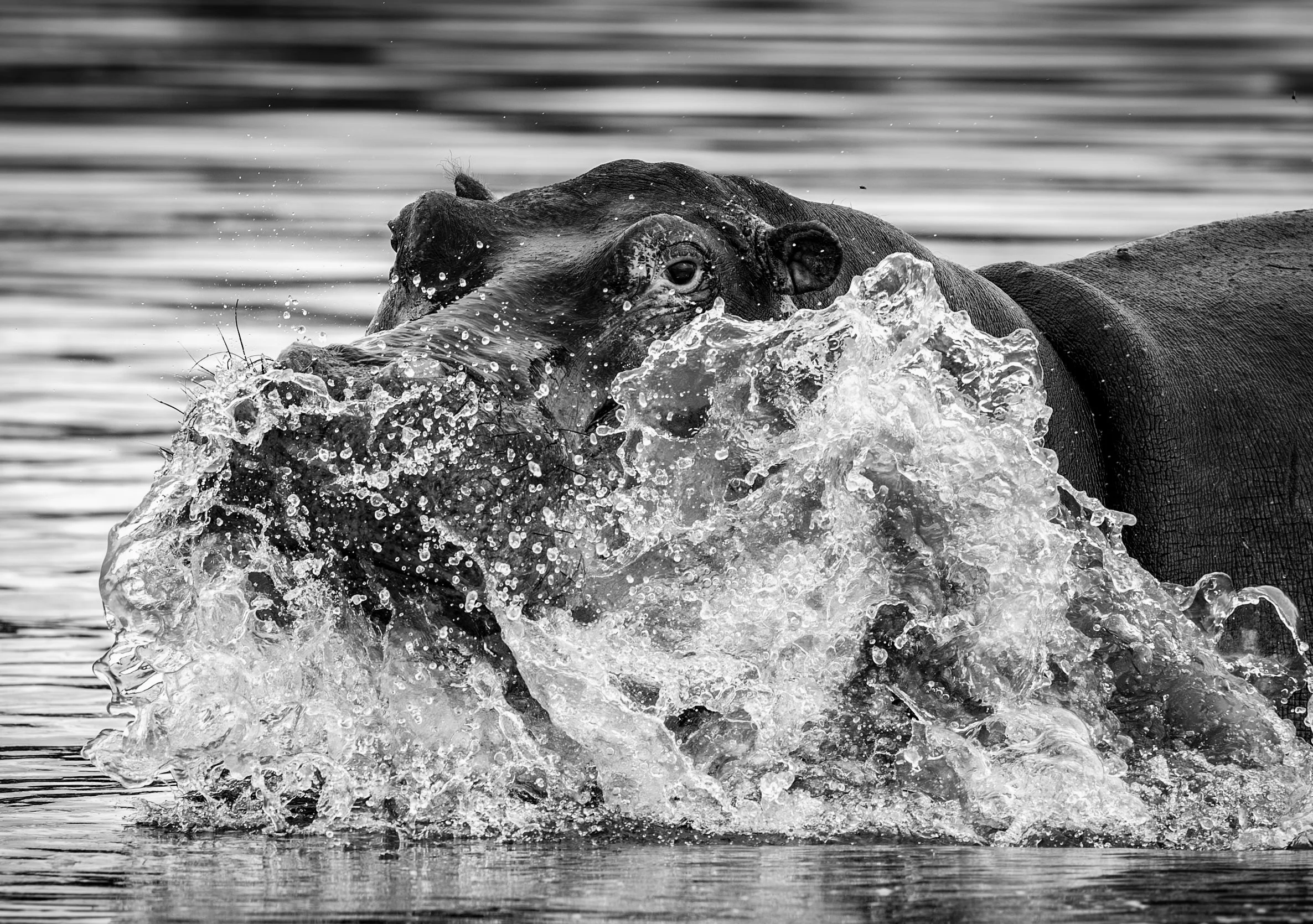
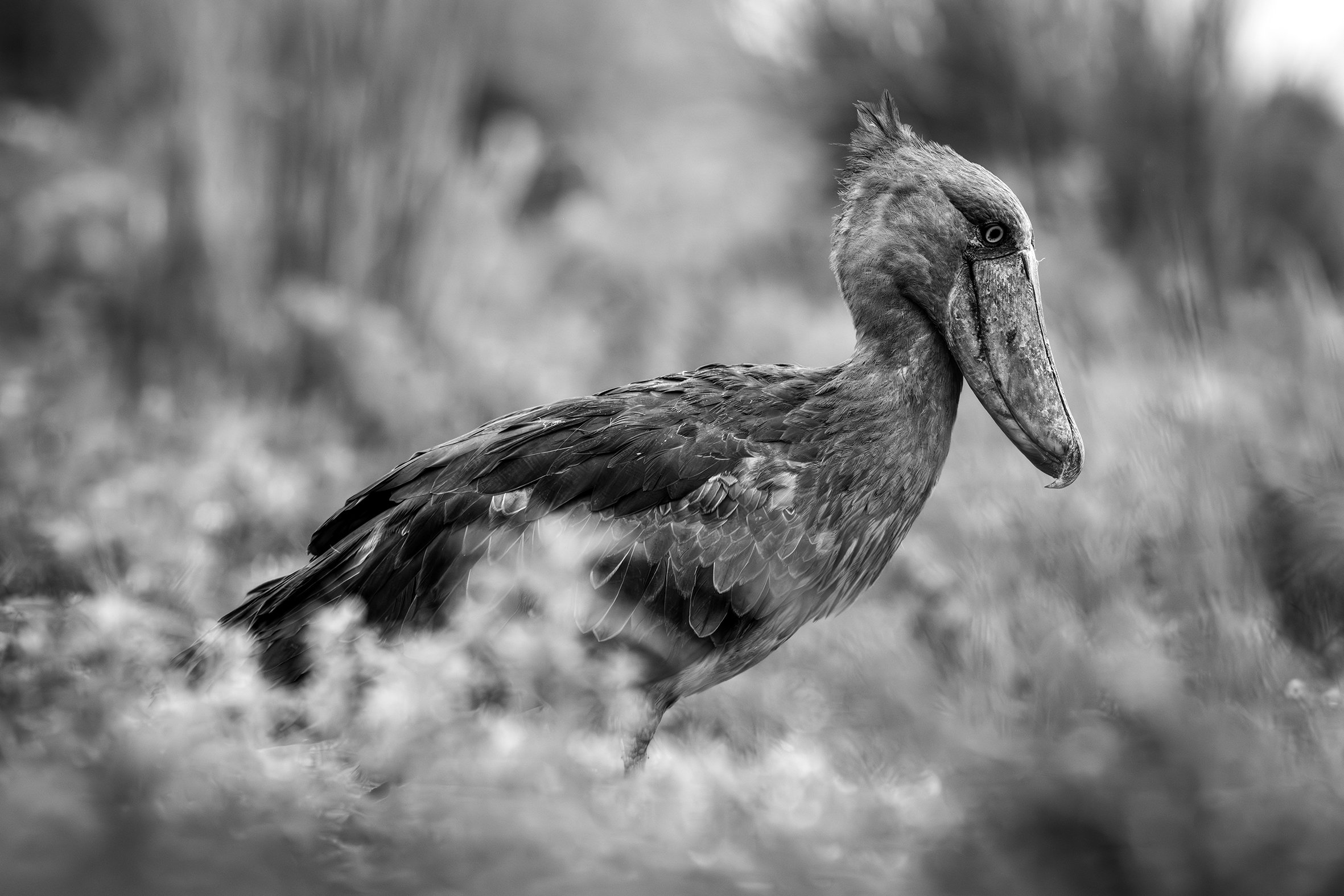
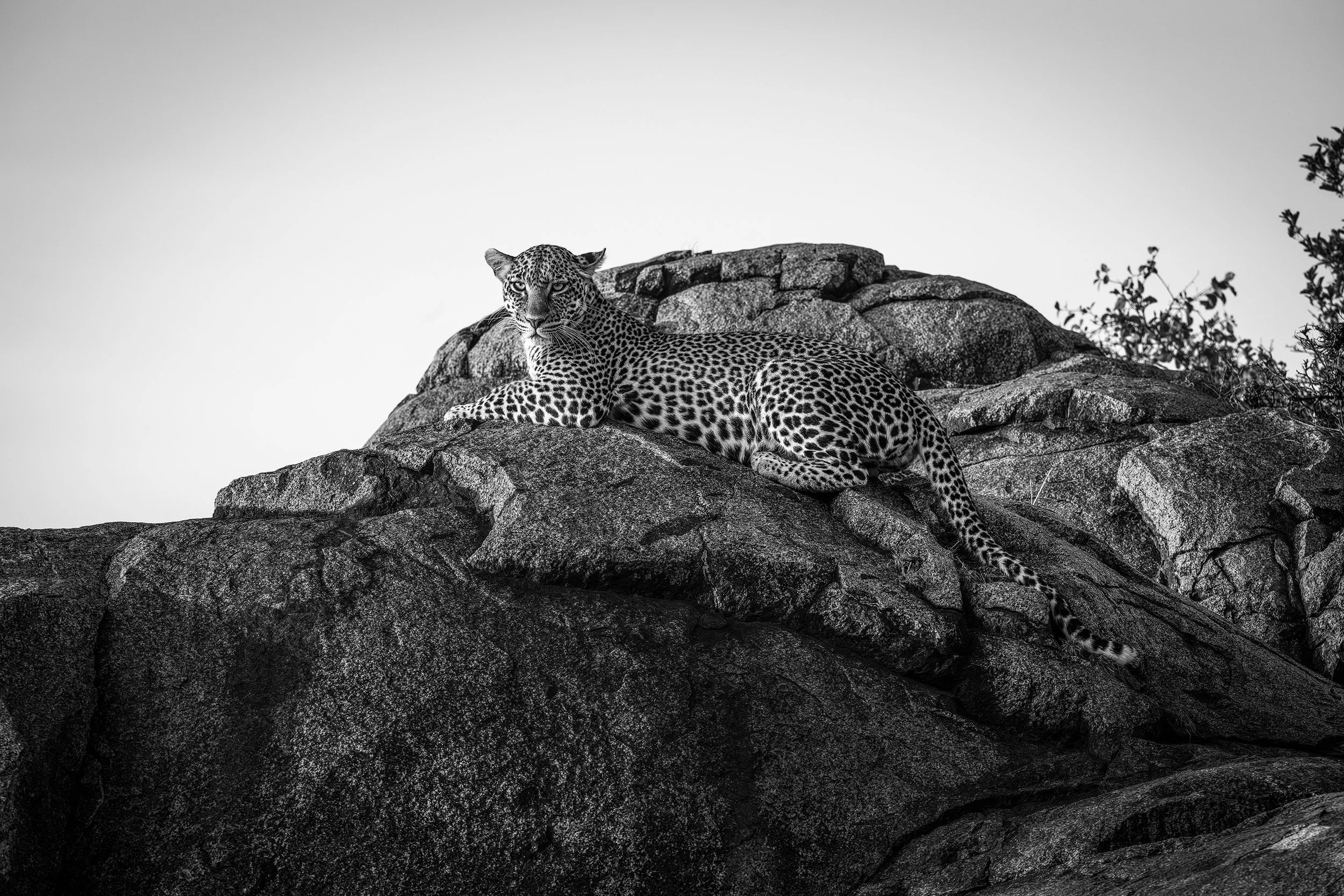
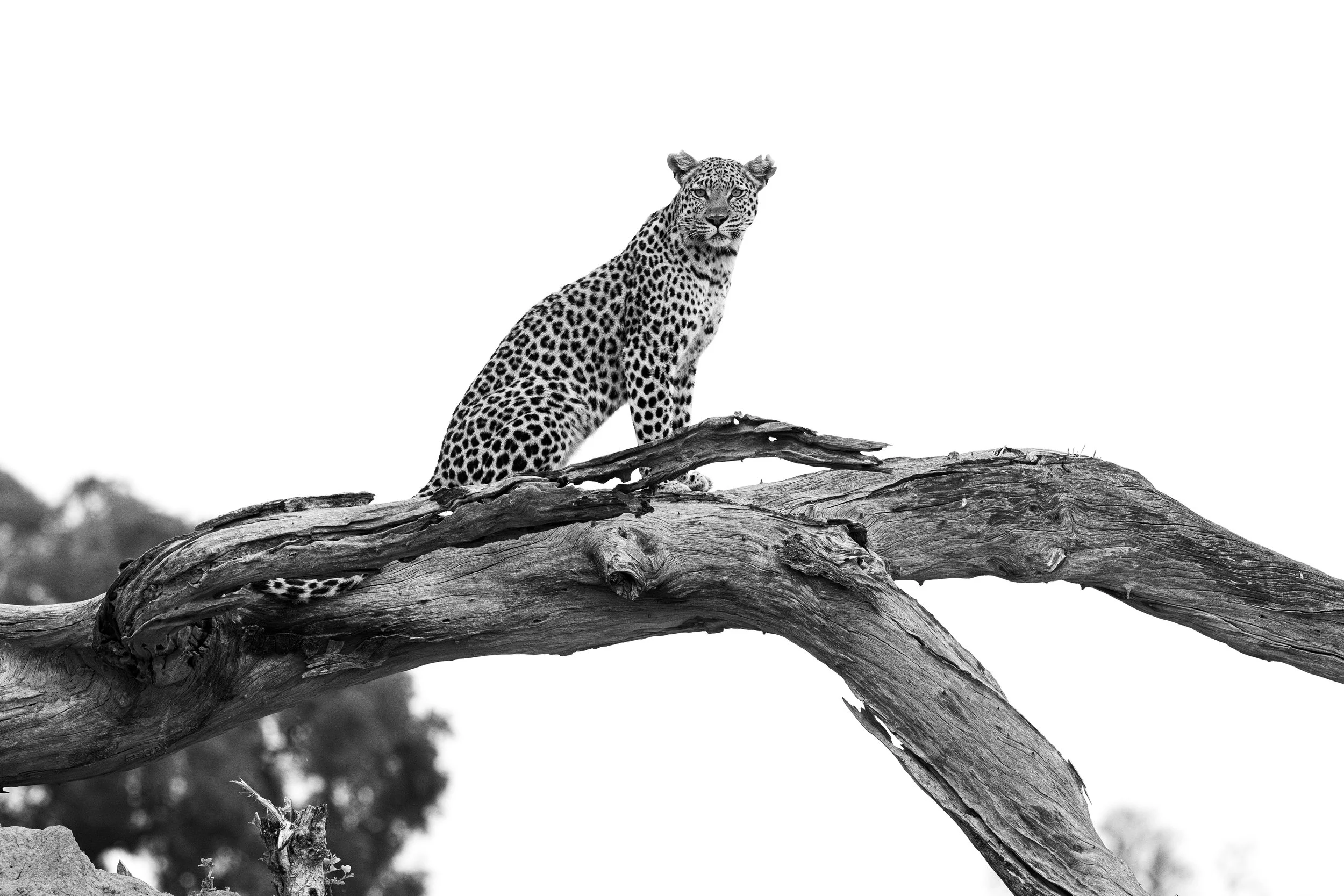
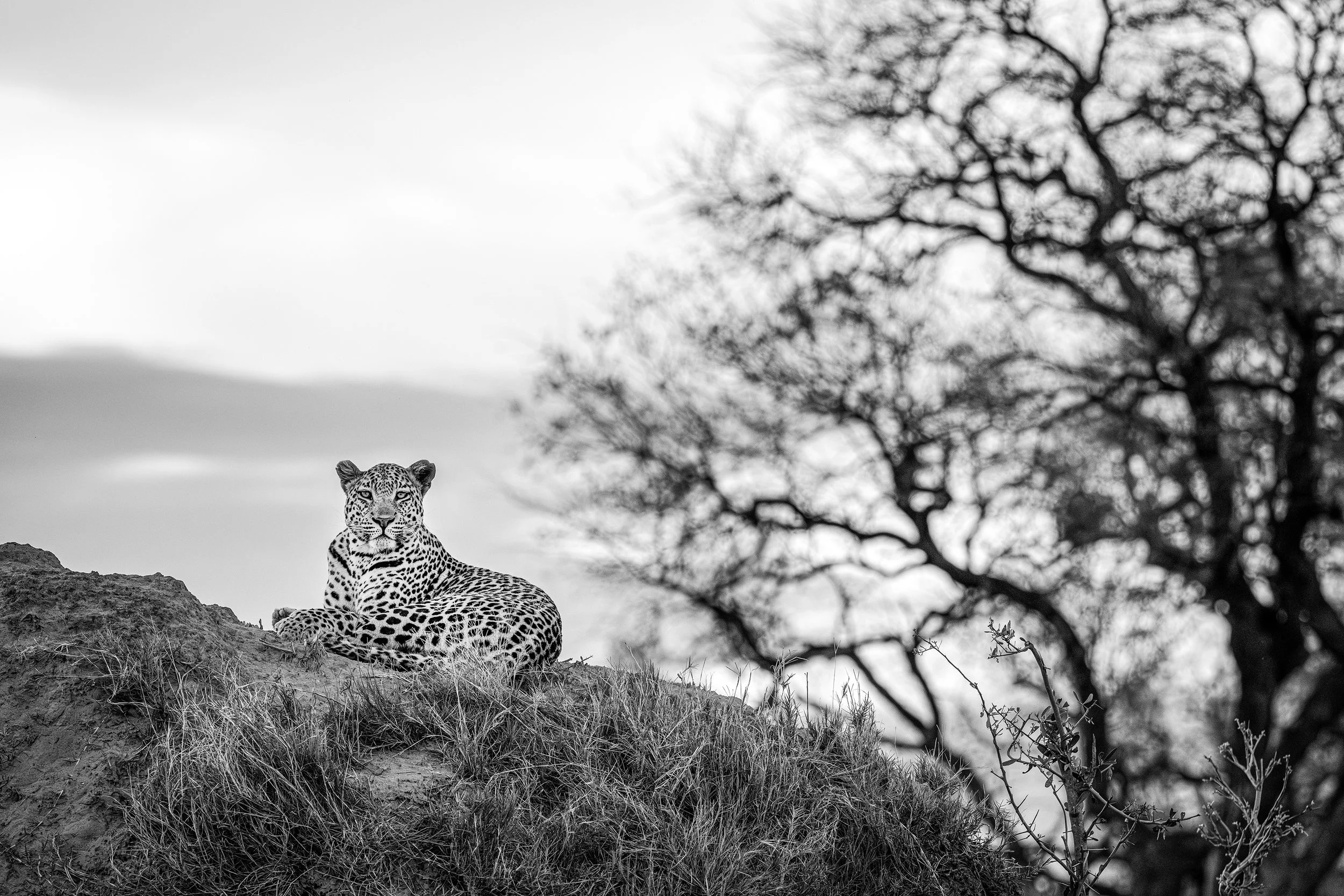
©Richard Juilliart
Okavango Delta 2024 ©Richard Juilliart
Black and white photography in Africa is a tribute to the enduring presence of the wild.It is an aesthetic choice that demands rigor and a profound understanding of light, but rewards the photographer with images unparalleled nobility and power.